Pimple Before a Big Event? A 48-Hour Step-by-Step Timeline
If a pimple shows up two days before a big day, don't squeeze it. Line up gentle washing, a pimple patch and cover-up makeup in order, one time slot at a time.

What this note covers7 sections
- How long does a pimple take to settle down?
- Two days before your makeup appointment, is it better to pop it?
- It hurts to touch, so how do you keep your hands off while you wait?
- Can you use a patch and cover-up makeup on the same day?
- 48-hour timeline before an important event
- When does a pimple need a dermatologist’s eye?
- Studies this timeline draws on
| Item | Detail | Basis |
|---|---|---|
| Rule for the first 48 hours | Don’t touch your face for any reason, and don’t squeeze or scratch with unwashed hands | KDCA · institution |
| When your hands wander | 30 patients who pick at acne scored higher on unplanned impulsiveness than 30 who don’t, and the scores rose with how much they picked | 2023 PMID 36409553 · B |
| Cover-up makeup | 18 women with acne who were taught how to use makeup wore it for 2–4 weeks, and their lesion counts did not go up | 2005 PMID 16048760 · B |
| When makeup was taught | In a randomized trial of 50 women with acne, the group given makeup instruction improved in emotional quality of life, with no difference in acne severity | 2006 PMID 17073988 · A |
| Patch-type formulas | Across 13 trials of hydrogel formulas (3,654 people), no serious side effects were reported, but the ingredients varied too much to apply the results to sticker-style patches | 2026 PMID 41528187 · A |
How long does a pimple take to settle down?
We found no evidence that sets how many days a single pimple takes to settle. The Korea Disease Control and Prevention Agency (KDCA) notes that acne takes time to improve, so even under a doctor’s care you stick with a plan for 6–8 weeks before deciding whether to change it.
So if your job interview, wedding or presentation is two days away, change the goal from “gone in 48 hours” to “leave it alone so it doesn’t flare, and make it less visible on the day.” Take one photo in the same light on the evening you spot it, and two days later you can compare how much it really changed by photo rather than by feel.

Two days before your makeup appointment, is it better to pop it?
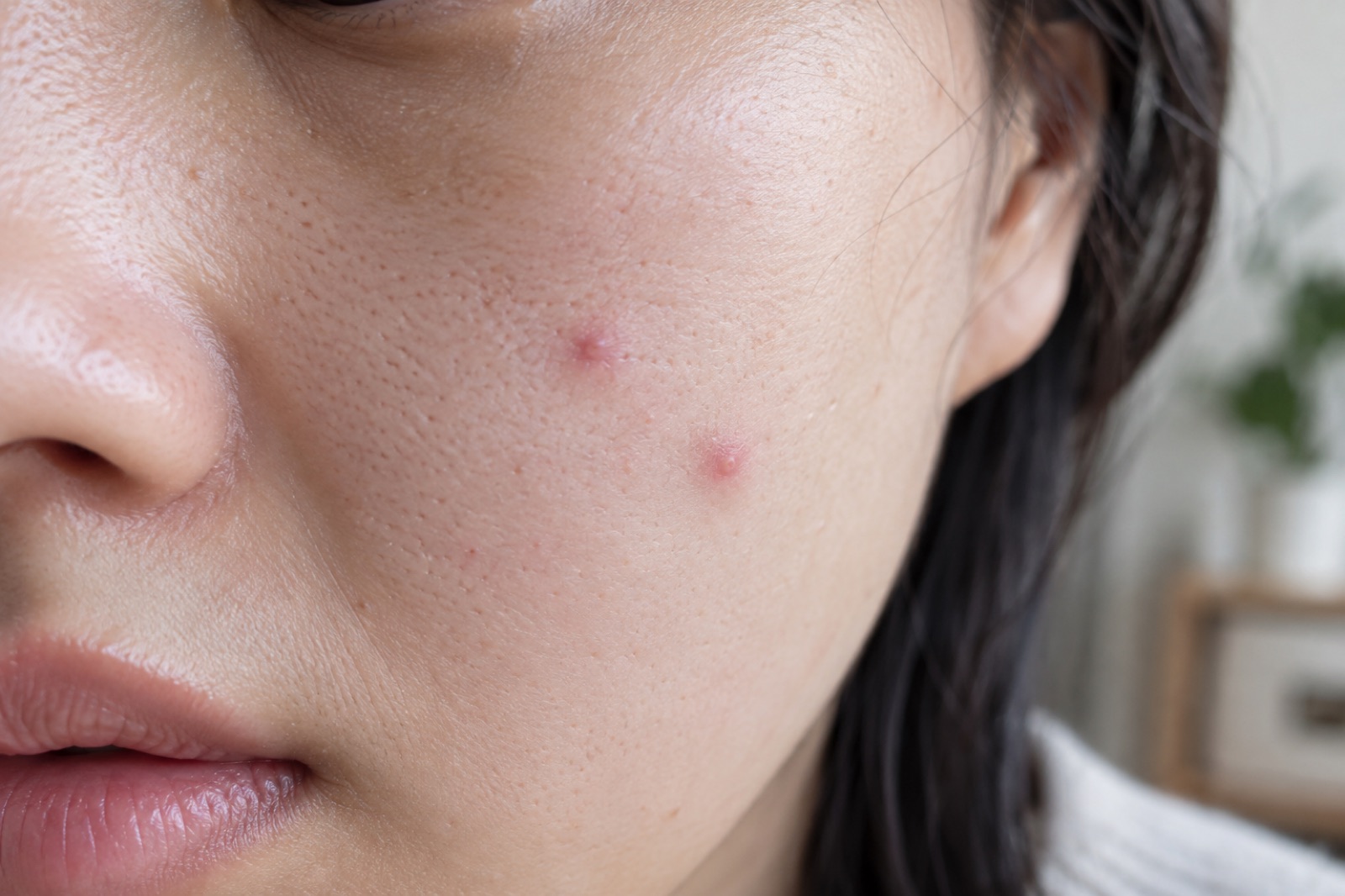
It’s better not to. Squeezing spreads the red swelling and can leave a scar. KDCA explains that forcing open an oil gland wall already weakened by inflammation makes the inflammation worse, and that squeezing or scratching on your own makes scars more likely.
If you squeeze the night before, on the morning of the event you’ll need to cover a red mark and a scab too. Dermatology clinics sometimes extract clogged comedones, but the same KDCA material draws a line: red, swollen pimples should not be picked or squeezed at home. The steps for the first three days of a pus-filled pimple are in a separate article, Pustules: what to do and skip in the first three days.
It hurts to touch, so how do you keep your hands off while you wait?
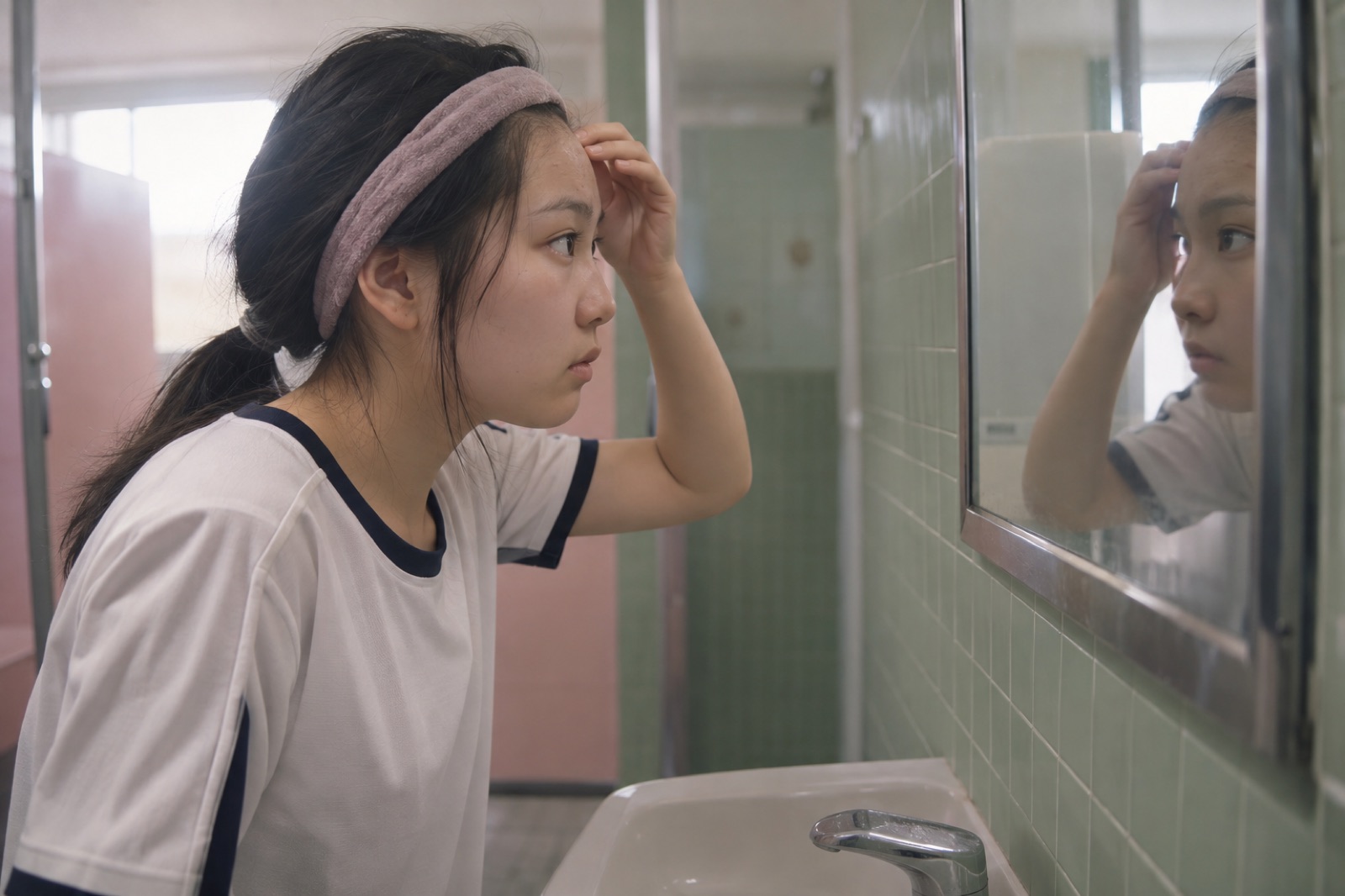
Set up something that keeps your hands away before you count on willpower. In a 2023 study comparing 30 acne patients who pick with 30 who don’t, the pickers scored higher for acting without planning, and the higher the score, the more they picked.
The moments your hands wander are different for everyone, so the first step is to write down specific ones, such as resting your chin in your hand while editing slides or standing at the magnifying mirror in the bathroom. Then put the magnifying mirror away and cover the spot with a patch during the hours you reach for it most. Tracking from the day you put a patch on to the day you peel it off continues in A 3-day pimple patch log, from sticking it on to peeling it off.
Can you use a patch and cover-up makeup on the same day?
There’s little reason to avoid covering it with makeup, but it helps to practice the order once the day before. In a 2005 study, 18 women with acne were taught how to use makeup and wore it for 2–4 weeks, and their lesion counts did not rise. In a 2006 trial that randomly split 50 women, acne severity in the group given makeup instruction was no different from the group without it.
Keep in mind that both results come after people were taught how to use makeup. KDCA advises choosing products labeled noncomedogenic and oil-free and removing makeup every night with a gentle cleanser. The ingredients in the 13 hydrogel trials covered by the 2026 meta-analysis varied, so they don’t show that a sticker-style patch makes a pimple settle faster. Expect a patch only to block your fingers and cover the spot.
48-hour timeline before an important event
| When | Do | Don’t | Write down |
|---|---|---|---|
| Evening you spot it | One photo in the same light, note when your hands wander | Squeezing or picking, staring into a magnifying mirror | Size (grain of rice or pea), pain when pressed (0–3) |
| First night | Wash gently with lukewarm water, cover with a patch if you keep reaching for it | Scrubs or exfoliating, trying a new product for the first time | Time you put the patch on |
| Day before, morning and evening | Wash gently only twice a day, one practice run of cover-up makeup | Washing more often, rubbing over the pimple | Products and order used in the practice run |
| Morning of | Cleanse → moisturize → lightly pat a noncomedogenic, oil-free product over just the pimple | Building up thick layers | Time you head out |
| Night of | Remove makeup with a gentle cleanser, one photo | Sleeping in makeup | One line comparing with the photo from two days earlier |
| After that | Note whether it keeps coming back in the same spot | Buying a new product before every event | Dates and locations of repeats |
The “no first-time products” row is there because if stinging or redness starts within two days, there’s no time to work out the cause. If you want to count how many you have across your whole face, see Counting acne at the mirror: a log for judging severity as well.
When does a pimple need a dermatologist’s eye?
- If hard, painful lumps under the skin multiply, see a dermatologist.
- If it keeps coming back in the same spot after the event and hasn’t improved after 6–8 weeks, get a dermatology consultation.
- If dents or dark marks start to form where you squeezed, have a dermatologist check them.
- If redness spreads widely and feels warm, or the pus pocket grows, don’t wait. Get seen.
Studies this timeline draws on
- In a 2023 study comparing 30 acne patients who pick with 30 who don’t (PMID 36409553), the pickers had higher unplanned-impulsiveness scores, and the scores rose along with how much they picked.
- In a 2006 trial that randomly split 50 women with acne (PMID 17073988), the group given skin care and makeup instruction improved its emotional quality-of-life scores, with no difference in acne severity.
- In a 2005 study where 18 women with acne were taught to use acne-focused makeup and wore it for 2–4 weeks (PMID 16048760), lesion counts did not go up.
Frequently asked questions
How long does a pimple take to go away?
We found no evidence that sets how long a single pimple takes to settle. The Korea Disease Control and Prevention Agency (KDCA) notes that acne takes time to improve, so even under a doctor's care you keep going for 6–8 weeks before deciding whether to change the approach. With two days to go, aim to keep it from getting worse and make it less visible, not to make it disappear right away.
Should I pop a pimple if I'm getting my makeup done in 2–3 days?
It's better not to. KDCA explains that squeezing a pimple can make it redder and more swollen, lead to inflammation and eventually leave a scar, so two days later you may have a red mark and a scab to cover as well. Do one practice run of your cover-up makeup the day before, and if you really want it dealt with, ask a dermatologist instead of squeezing it yourself.
Should you pop a pimple that hurts to touch or wait it out?
Waiting is the right call. In a 2023 study comparing 30 acne patients who pick at their skin with 30 who don't, the pickers scored higher for impulsiveness, acting before planning. Instead of relying on willpower, keep your hands off by covering it with a patch or stepping away from the mirror, and if several hard, painful lumps appear, see a dermatologist.
Sources
- Korea Disease Control and Prevention Agency (KDCA) National Health Information Portal — Acne (Korean)Institutional
- Impulsivity in patients who pick at acne, 30 vs 30, 2023 (PMID 36409553)B
- Makeup use and quality of life in women with acne, 18 participants, 2005 (PMID 16048760)B
- Randomized trial of skin care and makeup instruction for women with acne, 50 participants, 2006 (PMID 17073988)A
- Meta-analysis of topical hydrogel formulations, 13 trials, 3,654 participants, 2026 (PMID 41528187)A
Videos and forum posts never count as evidence for a fact here. Full rules: Editorial policy
What to check when choosing a product for this routine
Check the criteria below before the product name. Each item can be found on the full ingredient list or in the product description.
| Item | What to look for | Why |
|---|---|---|
| Ethanol and fragrance on the label | Whether ethanol or fragrance appears in the full ingredient list, and where | Right before an event there is no time to figure out what caused stinging, so knowing this when you choose leaves fewer unknowns in your 48-hour log |
| Where it goes | Whether the label says it is for spot use, dabbed in a small amount on the pimple only | Keeping your full-face routine the same and changing only one spot makes before-and-after comparison simple |
| Irritation testing info | Whether the brand says how irritation was tested | You won't bring in new products right before the event, so this is one more fact to check when picking something to try ahead of time (results vary from person to person) |
| Order-of-use directions | Whether the directions explain how to use it up to the next step | You can decide the day before at which step it goes, ahead of your cover-up makeup |
Product from this site's operator · KW Cosmetic Content Team
Centella Rescue Spot AmpouleCosmetics do not replace the diagnosis or treatment of a skin condition.