Cleansing Oil: A 3-Minute Routine for Emulsifying and Rinsing
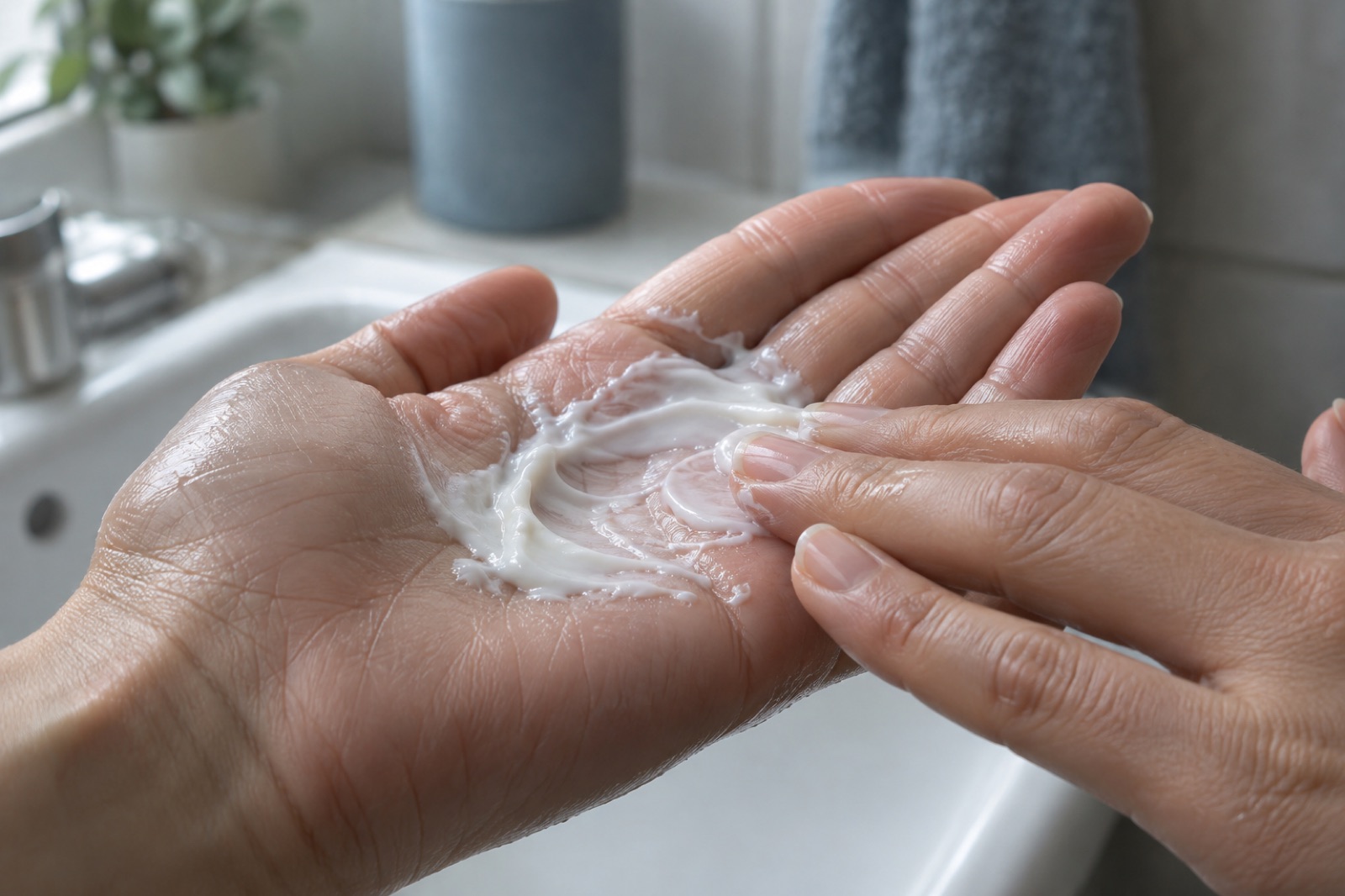
Cleansing oil is described as a cleanser for dry skin. If you use it, melt makeup briefly, then emulsify, rinse and do a second cleanse, all within about three minutes.
What this note covers9 sections
- Can oily or acne-prone skin use cleansing oil?
- How many pumps and how many minutes to emulsify cleansing oil?
- How do you finish emulsifying and rinsing?
- Is it OK to use cleansing oil twice a day?
- Does cleansing oil make your pores bigger?
- What should you look at when switching to a balm, milk or cleansing water?
- Three-minute cleansing oil timetable
- When is it worth seeing a dermatologist?
- Where this routine’s facts come from
| Item | Detail | Basis |
|---|---|---|
| Skin it suits | Cleansing oil suits dry skin, but oily and acne-prone skin with a lot of oil production is better off avoiding it | KDCA · institution |
| Days to use it | Double cleansing is advised on days with high-SPF or water-resistant sunscreen or makeup | KDCA · institution |
| Rubbing time | Scrubbing twice a day for two weeks raised water loss and lowered natural moisturizing factor (6 people) | 2018 PMID 29243811 · B |
| Water temperature and frequency | Twice a day, gently, with lukewarm water | KDCA · institution |
| Example with dry skin | After 21 adults with a very dry skin condition used a lipid-replenishing oil and balm for four weeks, water loss fell 27% and skin hydration rose 89% (no control group) | 2026 PMID 41532885 · B |
Can oily or acne-prone skin use cleansing oil?
The Korea Disease Control and Prevention Agency (KDCA) says cleansing oil suits dry skin, but oily or acne-prone skin with a lot of oil production is better off avoiding it. This article passes on that advice first, then lays out a routine for days you still use oil: melt briefly, then keep to emulsifying, rinsing and a second cleanse.
The research on oil points toward dry skin. In a 2026 study where 21 adults with a very dry skin condition used a lipid-replenishing cleansing oil and balm for four weeks, water loss fell 27% and skin hydration rose 89%, but it was a single-brand study with no control group, so take it as a reference only. On days when shine and tiny bumps are your concern, first consider a gel, the texture KDCA describes as suited to oily and acne-prone skin, as your first step.
How many pumps and how many minutes to emulsify cleansing oil?
This article’s evidence includes no study comparing pump counts or massage times, so the rule is to follow the product’s directions for amount and keep the time short. The routine here splits into 45 seconds to melt, 30 seconds to emulsify, 45 seconds to rinse and 45 seconds for the second cleanse, finishing within three minutes.
The reason not to rub for long is friction. In a 2018 study, six healthy adults had one arm scrubbed with a nylon towel and soap twice a day for two weeks, and compared with the arm washed with soap only, water loss rose and natural moisturizing factor dropped on the scrubbed arm. Even if blackheads on your nose bother you, don’t try to melt them by rubbing with oil for a long time. Give your nose the same time as everywhere else.
How do you finish emulsifying and rinsing?
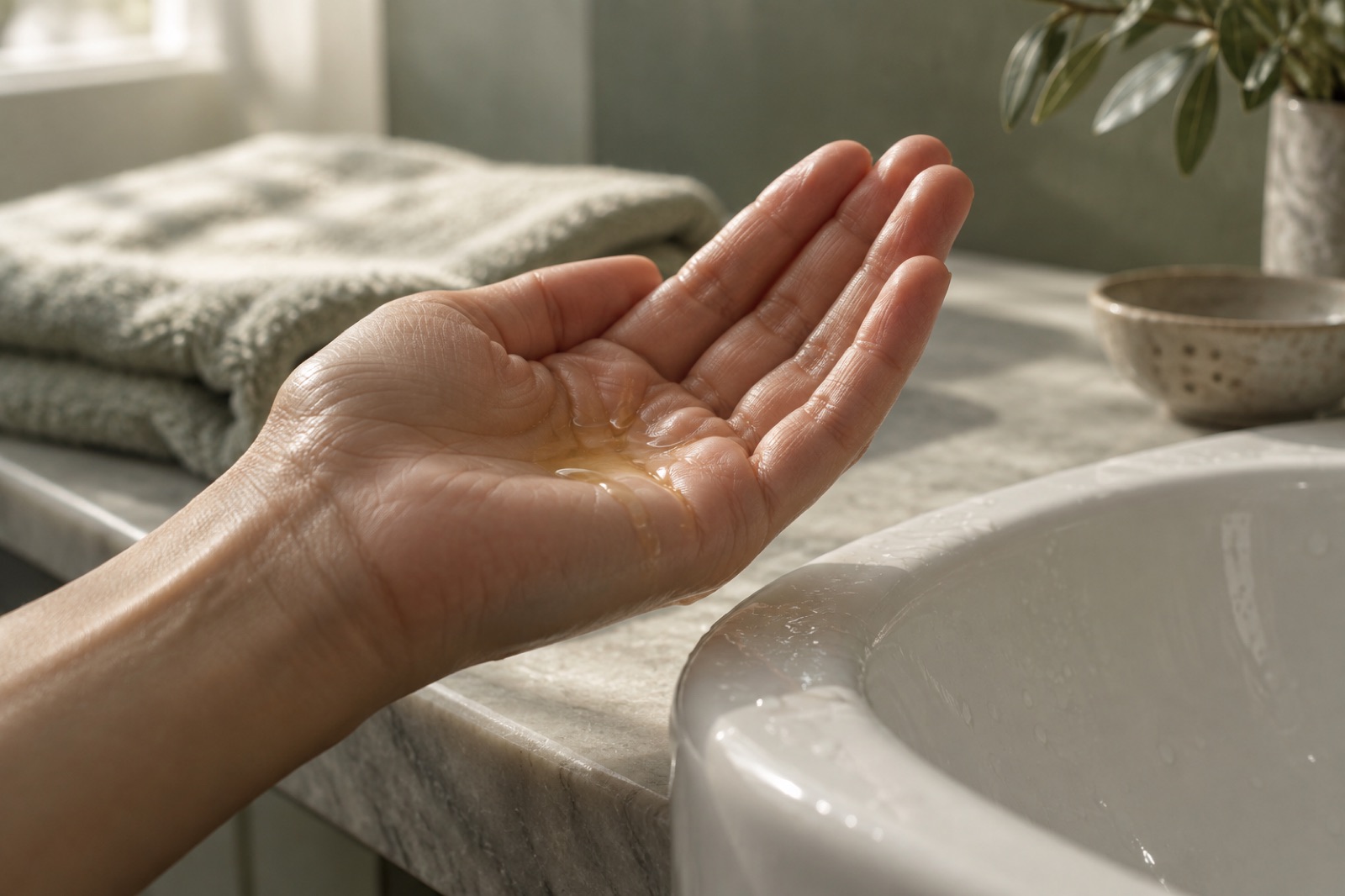
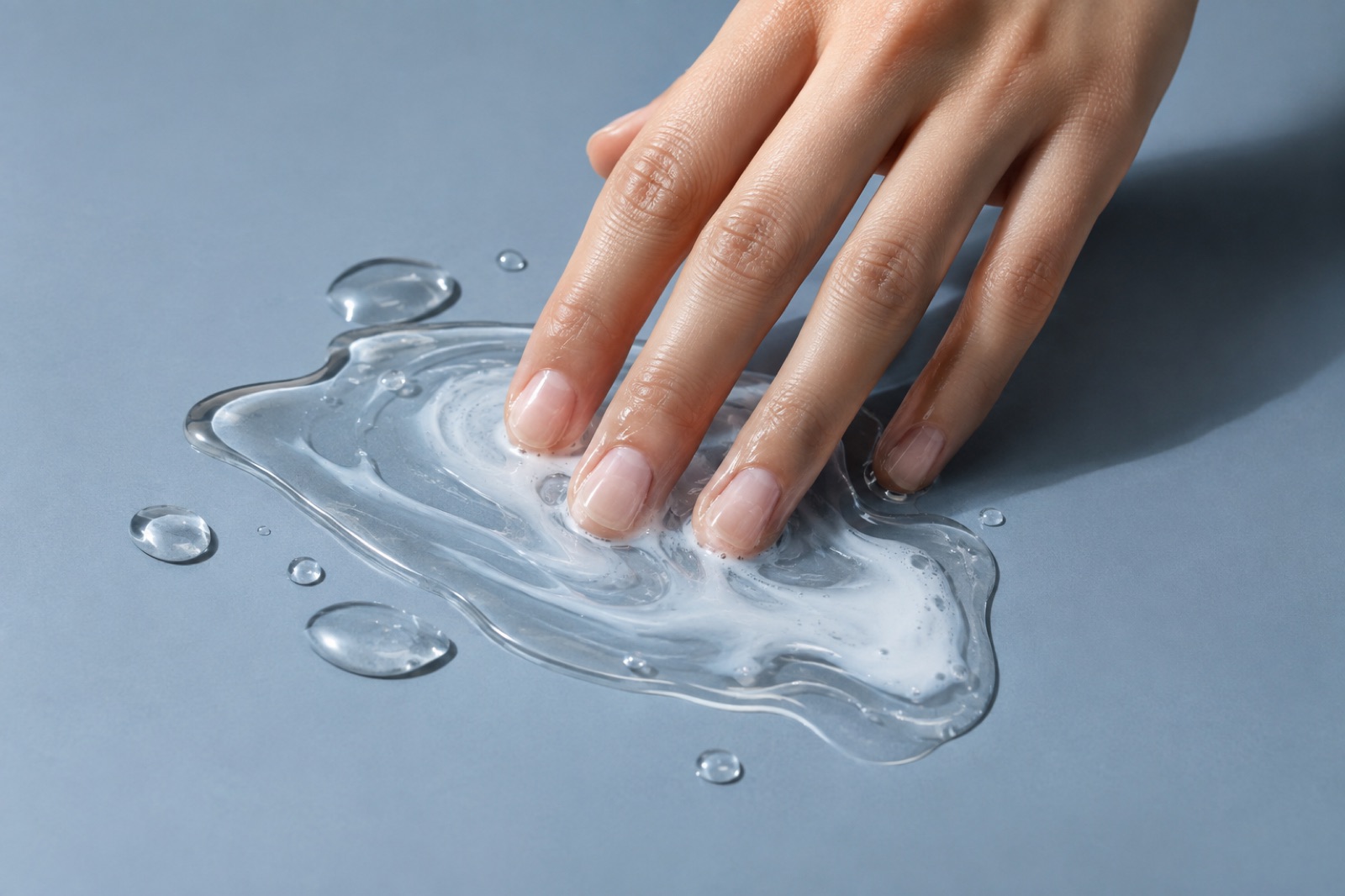
Wet your fingertips with a little lukewarm water and spread it until the oil turns milky, then rinse several times with lukewarm water and check that no slippery feel is left. In KDCA’s grouping, oil is a first-step cleanser applied without water, and finishing with a second-step cleanser that lathers with water, like a foam or bar, is what makes it a double cleanse.
No study has compared whether the emulsifying step cuts down residue or breakouts. So keep the check simple: press your cheek with your palm and see whether it still feels slippery. KDCA’s acne guidance explains that sunscreen or makeup can clog follicles, so double cleansing helps on those days. Even after rinsing, don’t skip the second cleanse.
Is it OK to use cleansing oil twice a day?
There’s no evidence for using it twice, and once in the evening on days with sunscreen or makeup is enough. KDCA advises washing gently twice a day with lukewarm water, and using oil and foam both morning and night would bring you to four cleansing steps.
On a work-from-home day without sunscreen or a bare-faced weekend day, skip the oil and do only the second-step wash. On the other hand, on a day at an outdoor event when you reapplied water-resistant sunscreen two or three times, starting the evening with oil fits KDCA’s advice.
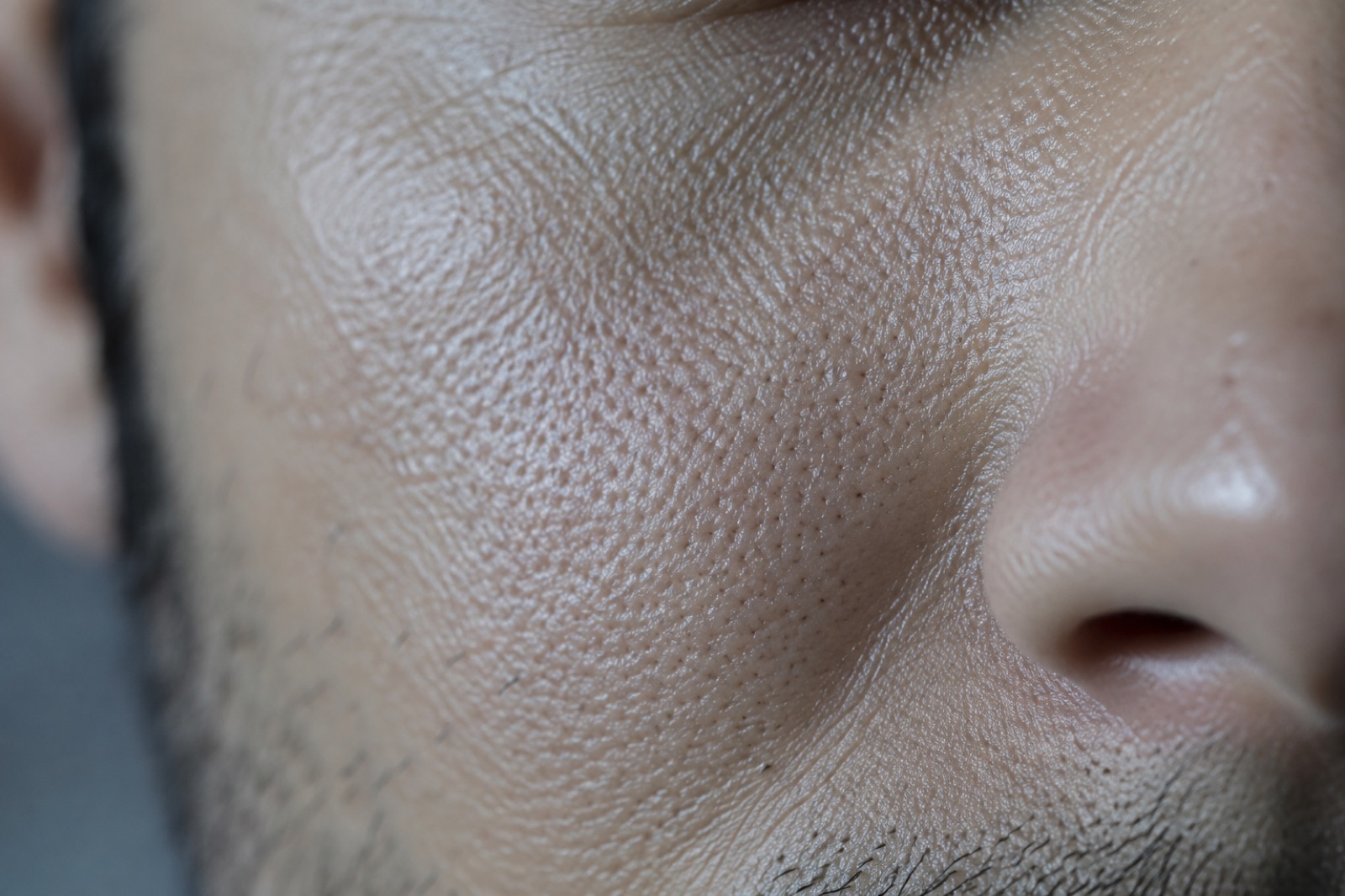
Does cleansing oil make your pores bigger?
This article’s evidence includes no study showing that cleansing oil changes pore size. However, KDCA advises that if you have acne-prone skin, you should avoid oil- and wax-type ingredients such as lanolin, seaweed extracts and coconut oil, and check for oil-free and noncomedogenic labels.
If your pores feel clogged or tiny bumps beside your nose worry you, first reconsider whether to keep using oil. Count tiny bumps for two weeks when you use oil and two weeks when you don’t, and you can see for yourself whether your pore concerns line up with the oil.
What should you look at when switching to a balm, milk or cleansing water?
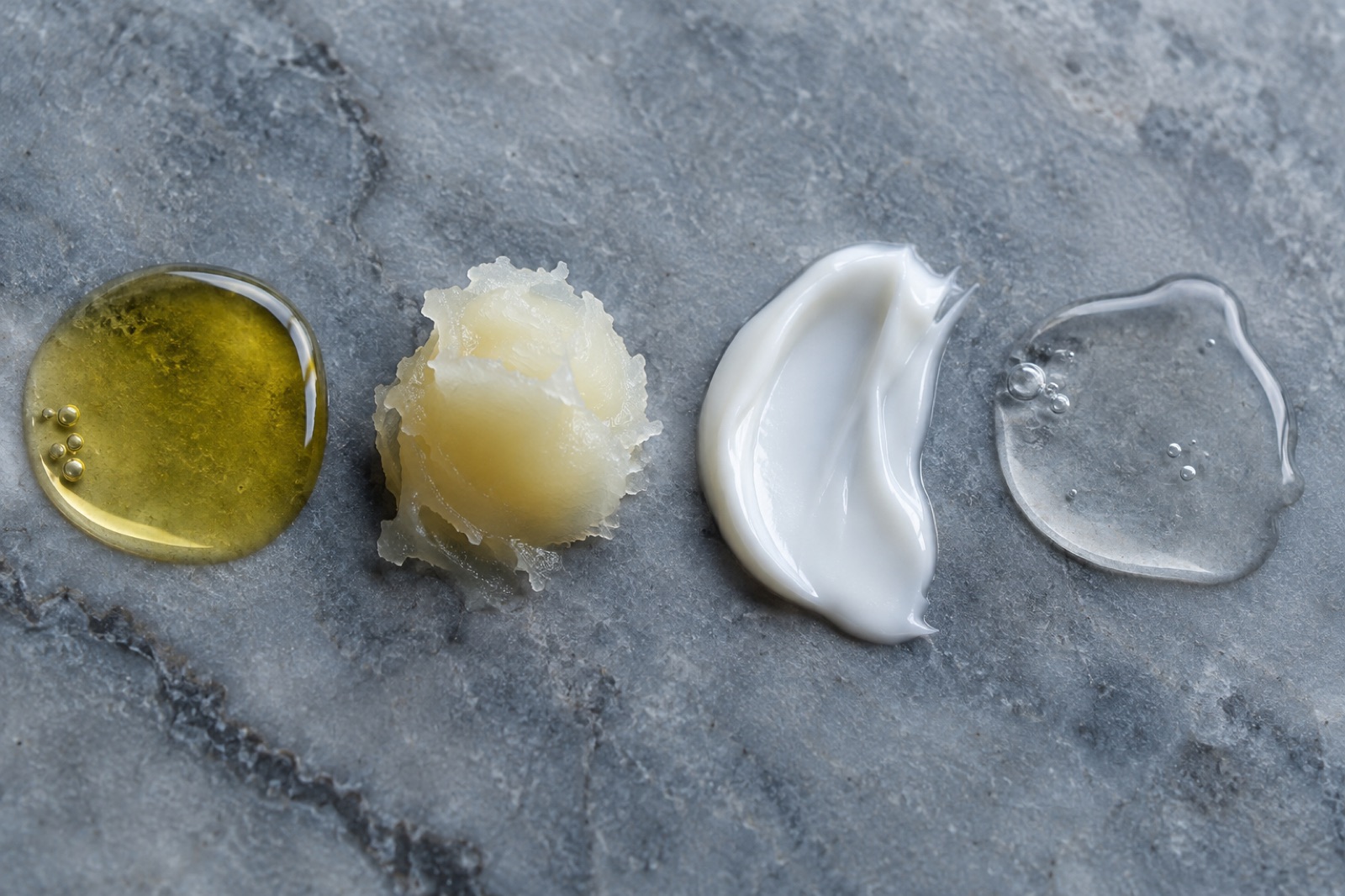
If you drop the oil, choose among a lotion (milk), cleansing water or gel based on how heavy your makeup is that day and your skin type. KDCA describes cleansing lotion as usable on any skin type and suited to dry skin, and cleansing water as usable for light makeup and sensitive skin.
There’s also data on a gentle first-step routine. In a 2020 trial that split 60 people with redness in the center of the face, the group that used micellar water, a cream and a serum together for eight weeks saw redness drop 16%, but the control group had only 10 people and the result reflects the three products combined. Think of cleansing balm as oil-based like cleansing oil, and use it in the same order.
Three-minute cleansing oil timetable
| Time | Step | Do | Don’t | Log |
|---|---|---|---|---|
| 0:00–0:15 | Prep | Pat hands and face dry, dispense only the amount on the directions | Apply right away with wet hands | Amount used |
| 0:15–1:00 | Melt | Roll fingertips over cheeks, forehead, chin in order; rest oil on the eye area | Rubbing your nose separately for a long time | Time it took |
| 1:00–1:30 | Emulsify | A little lukewarm water on fingertips, until milky | Pouring on a lot of water at once | Did it turn milky? |
| 1:30–2:15 | Rinse | Several rinses with lukewarm water, press cheeks to check for slipperiness | Hot water | Slippery feel: yes / no |
| 2:15–3:00 | Second cleanse | Place foam on your face, rinse, press dry with a towel | Rubbing again with the foam | Tightness after 5 minutes |
For two weeks, mark the days you used oil, and note the number of tiny bumps and how shiny your skin is the next morning. If tiny bumps increase only on oil days, switch to a different first-step cleanser, as KDCA advises.
When is it worth seeing a dermatologist?
- If tiny bumps don’t shrink and keep spreading two weeks after you stop the oil, see a dermatologist.
- If the eye area swells, itches or oozes, stop both the oil and the foam and have a dermatologist check it.
- If burning and redness linger for days after every wash, consider a dermatology consultation before switching products again and again.
Where this routine’s facts come from
- KDCA’s guide on safe cosmetic use for teens describes cleansing oil as a texture suited to dry skin, while advising that oily and acne-prone skin with a lot of oil production is better off avoiding it.
- In a 2018 study where six healthy adults had their arms scrubbed twice a day for two weeks (PMID 29243811), water loss rose and natural moisturizing factor dropped.
- In a 2026 study where 21 adults with a very dry skin condition used a lipid-replenishing cleansing oil and balm for four weeks (PMID 41532885), water loss fell 27% and hydration rose 89%, but there was no control group.
Frequently asked questions
How many pumps and how many minutes should you use to emulsify cleansing oil?
This article's evidence includes no study comparing pump counts or massage times, so use the amount on the product's directions. For timing, we suggest keeping it short: about 45 seconds to melt, 30 seconds to emulsify and 45 seconds to rinse. In a 2018 study where six healthy people had their arms scrubbed twice a day for two weeks, water loss rose and natural moisturizing factor dropped, so finishing quickly is easier on your skin than rubbing for a long time.
Can you use cleansing oil twice a day?
The sources for this article give no evidence supporting twice-a-day use. The Korea Disease Control and Prevention Agency (KDCA) advises washing gently twice a day with lukewarm water and recommends double cleansing on days you wear high-SPF or water-resistant sunscreen or makeup. Keep oil to once in the evening on those days, and finishing the morning with water or a second-step cleanser alone makes it easier to stick to that count.
Does cleansing oil make your pores bigger?
This article's evidence includes no study showing that cleansing oil changes pore size. However, KDCA advises that oily and acne-prone skin with a lot of oil production is better off avoiding cleansing oil, and says cosmetics for acne-prone skin should avoid oil- and wax-type ingredients. If clogged pores worry you, consider another first-step cleanser, like a gel, lotion or cleansing water, before oil.
Sources
- Korea Disease Control and Prevention Agency (KDCA) National Health Information Portal — Safe cosmetic use for teens (Korean)Institutional
- Korea Disease Control and Prevention Agency (KDCA) National Health Information Portal — Acne (Korean)Institutional
- Repeated friction washing and changes in stratum corneum components, 6 participants, 2018 (PMID 29243811)B
- Four-week use of a lipid-replenishing cleansing oil and balm, 21 participants, 2026 (PMID 41532885)B
- Eight-week use of micellar water, cream and serum and facial redness, 60 participants, 2020 (PMID 32623833)B
Videos and forum posts never count as evidence for a fact here. Full rules: Editorial policy
What to check when choosing a product for this routine
Check the criteria below before the product name. Each item can be found on the full ingredient list or in the product description.
| Item | What to look for | Why |
|---|---|---|
| Labeled for the second step | Check that it is a foaming cleanser meant for a second wash with water and lather | It's the final step, used to wash off the film left on your face after you emulsify and rinse the oil |
| pH on the label | Check whether the label states mildly acidic or mildly alkaline, as a number or in words | When you log tightness after double cleansing, it helps you tell whether the first or second step is behind it |
| Cleansing ingredients | Check the surfactant names near the top of the full ingredient list | On these days you cleanse in two steps, so you need a point of comparison when you switch the second-step product |
| Fragrance | Check whether fragrance appears in the full ingredient list | If both the first-step oil and the second-step foam contain fragrance, it's harder to narrow down the cause when itching starts |
Product from this site's operator · KW Cosmetic Content Team
Revive Therapy A.C CleanserCosmetics do not replace the diagnosis or treatment of a skin condition.