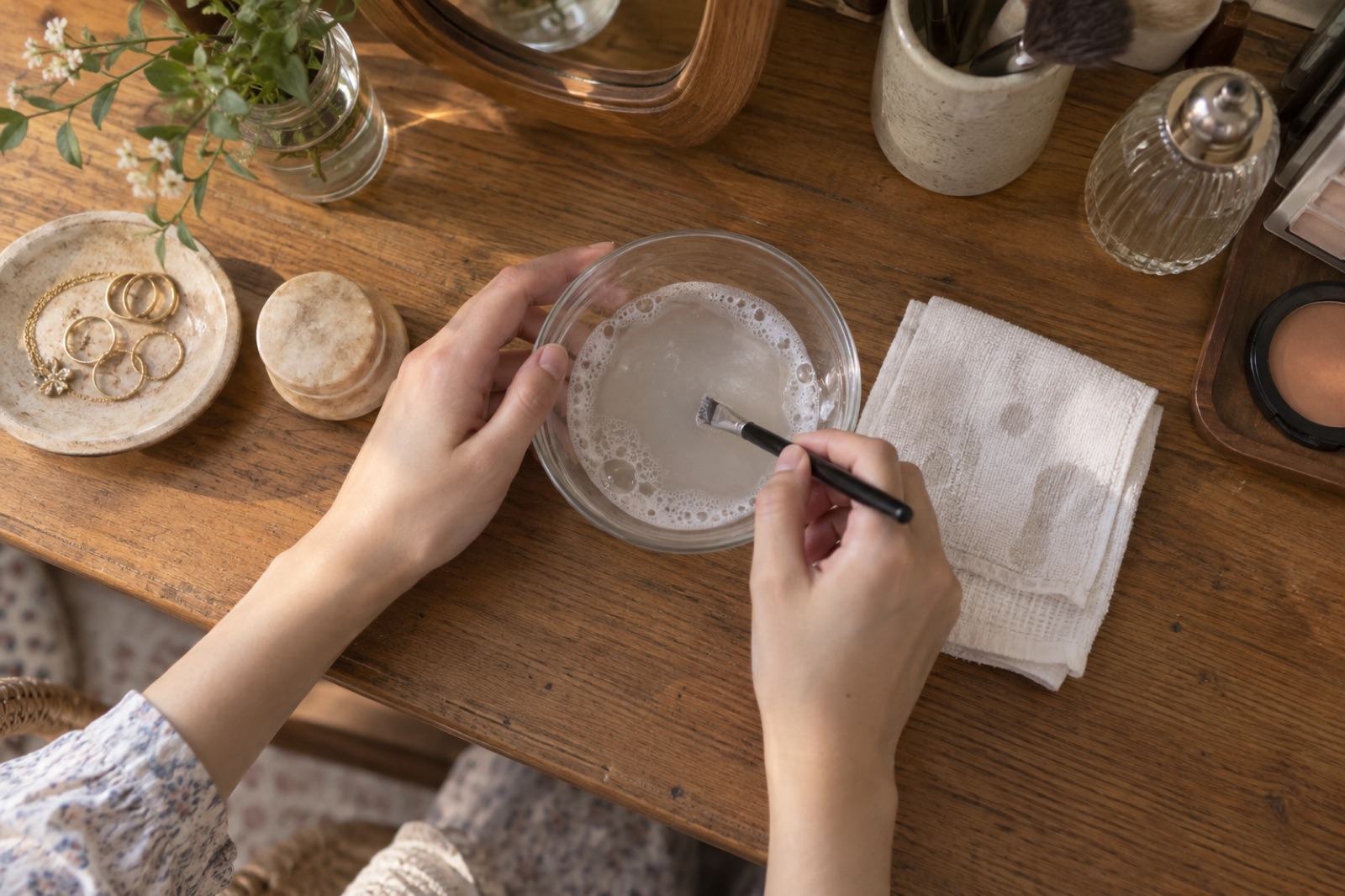
Folliculitis After Shaving or a Hot Tub: What to Watch for 2 Days
For folliculitis after shaving, waxing or a hot tub, don't squeeze it for 2 days. Take a break from whatever set it off, and write down any spreading, warmth or pain.
What this note covers7 sections
| Item | Detail | Basis |
|---|---|---|
| Trigger: waxing | Among 28 women who developed follicle bumps within 8 weeks of waxing, the most common sites were the upper arms (25 of the 25 who waxed their upper arms, 100%) and forearms (15 of 28, 53.6%) | 2014 PMID 24134338 · B |
| Trigger: salon procedures | Of 102 people who went to a hospital for skin problems after beauty salon procedures, 16.7% had follicle problems after waxing | 2020 PMID 33911422 · B |
| Trigger: very close cuts | Comparing 101 people with acne keloidalis nuchae and 202 controls, habitual bleeding during haircuts had an odds ratio of 22.1, and a very short shaved cut 4.9 | 2020 PMID 32081453 · B |
| Trigger: hot tubs | Follicle infections caused by Pseudomonas aeruginosa in hot tubs are named as an example of a mild infection that can occur even in healthy people | 1984 PMID 6229990 · review |
| Signs to move on | If redness spreads, the area swells and feels warm, and there’s pain and swelling that dents when pressed, suspect a deeper infection (cellulitis) | KDCA · agency |
What should you watch for 2 days after shaving or waxing?
For the 2 days starting the day you removed hair, check three things: whether there’s one bump per hair, whether pus bumps are clustered together, and whether redness is spreading beyond the bumps. The Korean Dermatological Association describes folliculitis as a bacterial infection of the hair follicle that shows up as several yellow or white pus bumps that break easily, clustered together.
In a 2014 study that biopsied 28 women who developed follicle bumps after waxing their arms or legs, most lesions were red follicular papules, and 7 (25%) reported itching. In the same study, 9 cases (32.1%) were granulomatous reactions and 7 (25%) were foreign-body reactions to the hair itself, so bacteria weren’t the whole story. That study collected bumps that appeared within 8 weeks of waxing, so even if things calm down after 2 days, check the same area again the next time you remove hair.
What’s different after a hot tub or sauna?
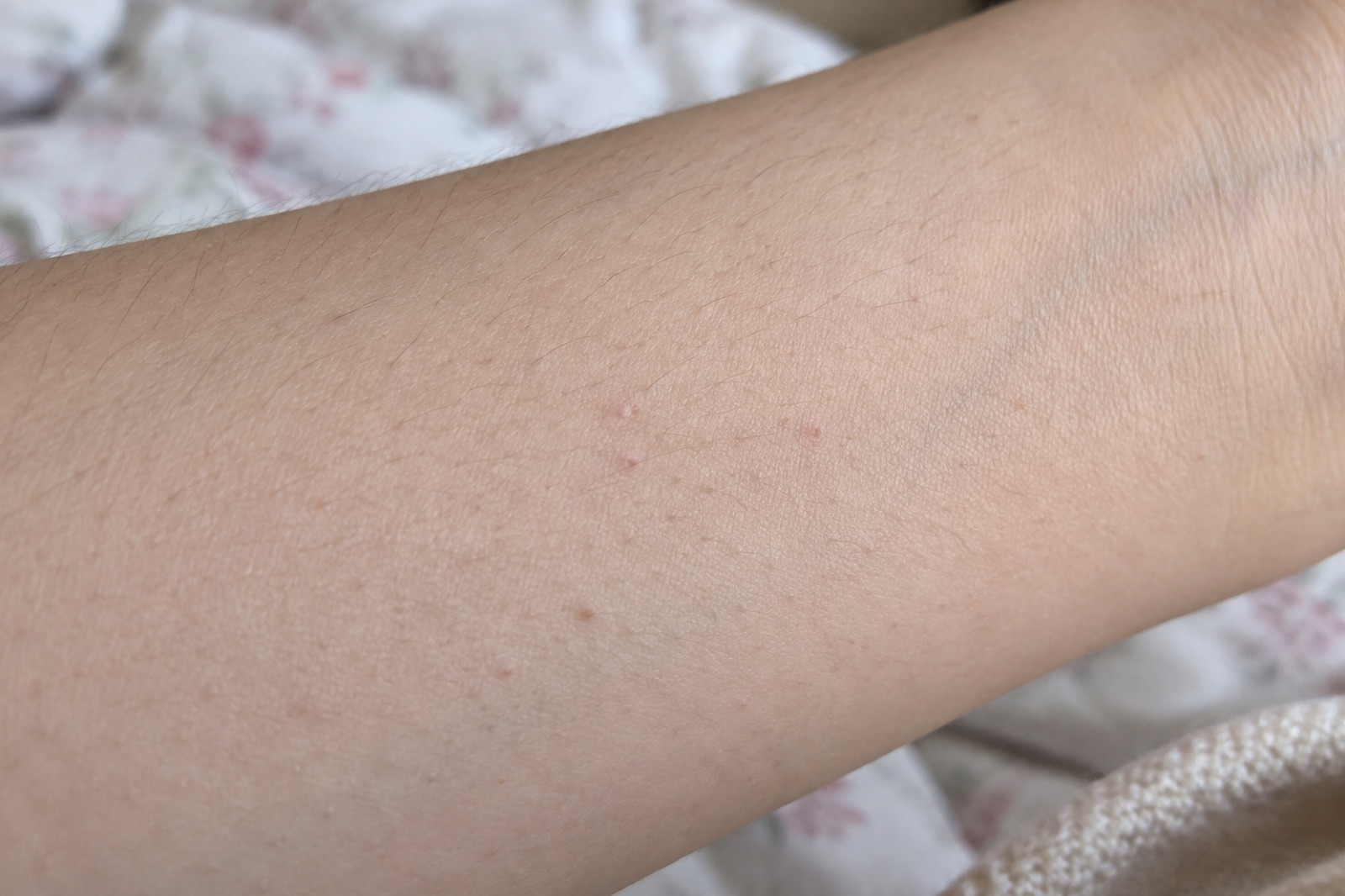
In a tub where warm water sits, bacterial follicle infections can develop even in healthy people, so write down the date you went and which parts of you were underwater. A 1984 review of Pseudomonas skin infections gave hot tub folliculitis as an example of a mild infection that also occurs in healthy people.
Things to log are whether the bumps are concentrated where your swimsuit sat or where you were underwater, and whether family members who went with you have something similar. The sources behind this guide include no study looking only at dry sauna heat, so log sauna and tub visits separately. Don’t go back into the same water until it settles.
What should you avoid for those 2 days?
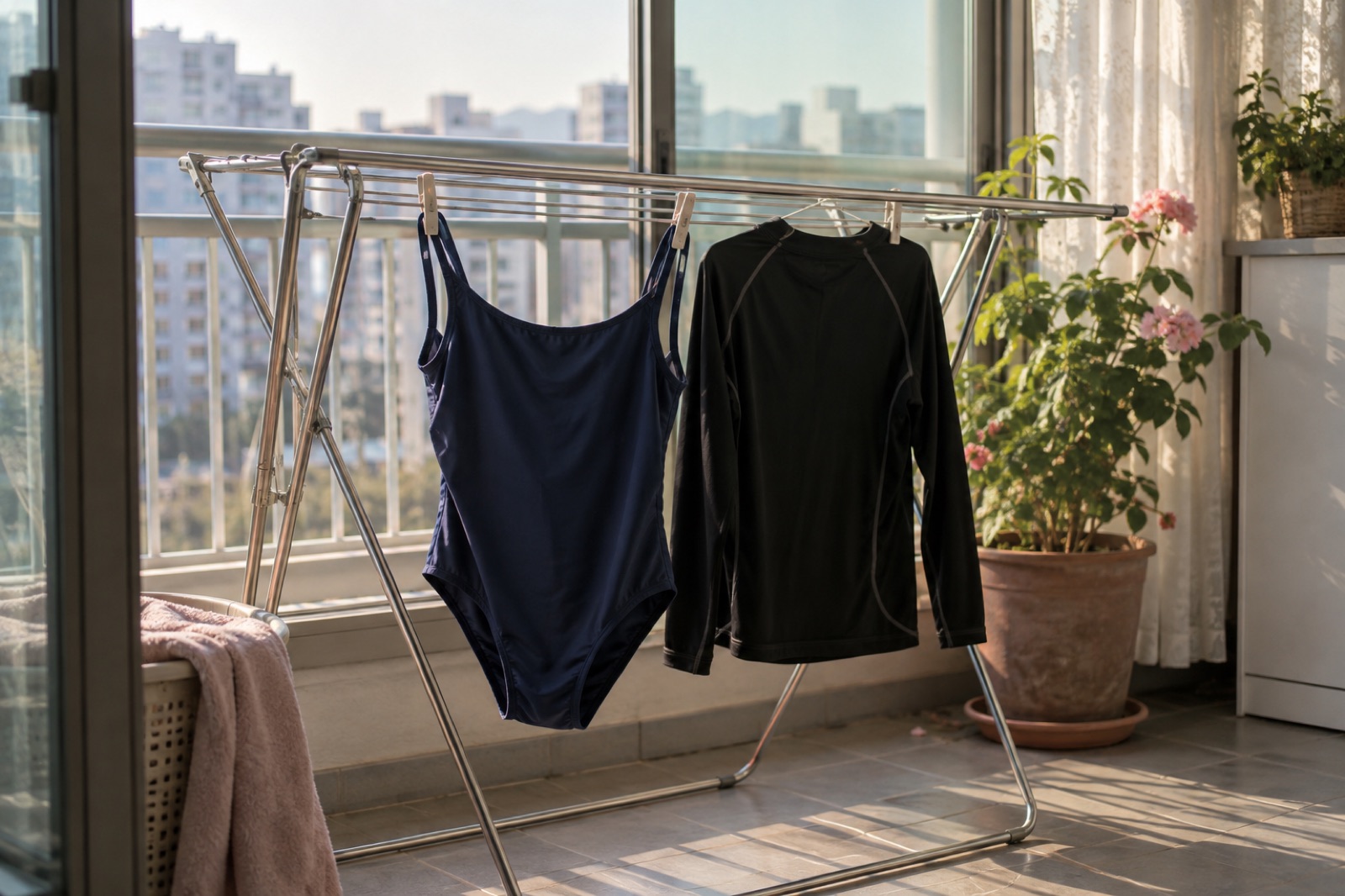
Don’t squeeze or pierce bumps with a needle before they come to a head and soften, don’t shave or wax the same area again, and don’t stay in sweaty workout clothes for long. Korea’s KDCA says squeezing a boil before it softens can make it worse, and a warm compress helps the pus gather so it drains more easily.
Also avoid cutting so close that you bleed. In a 2020 study in Togo that compared 101 people with acne keloidalis nuchae and 202 controls, habitual bleeding during haircuts carried an odds ratio of 22.1, and a very short shaved cut 4.9. It’s a study limited to one region and one body area, but it’s a reason to cut back on habits that keep nicking your follicles. The KDCA also lists pressure, friction, sweat and damage to the skin’s defenses from shaving as conditions where boils form easily.
If it keeps returning on your back and chest, what should you check?
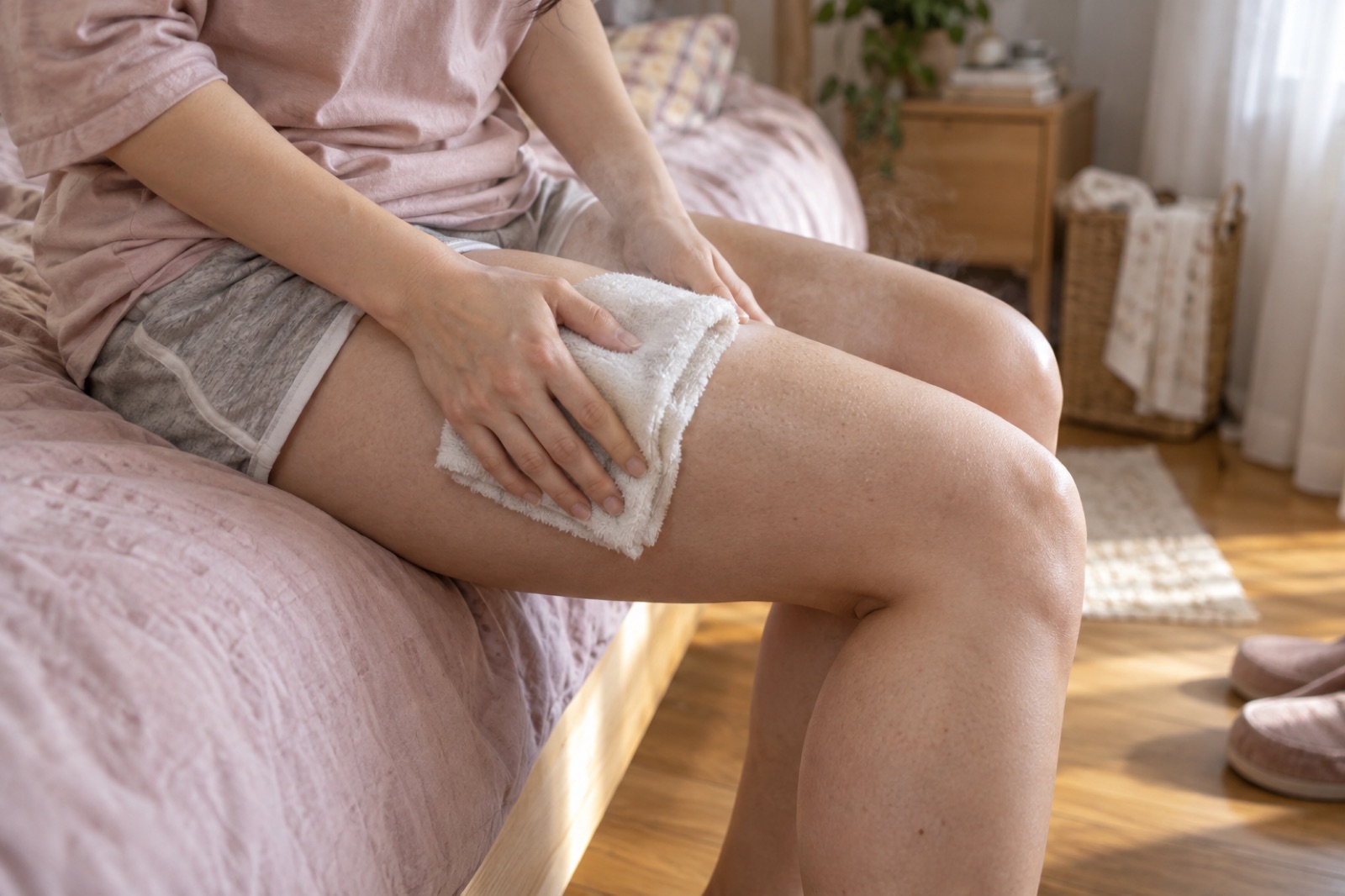
When itchy bumps keep coming back on the torso, a yeast (Malassezia) rather than bacteria is sometimes involved, so a dermatology test is the faster way to confirm the cause. In a 2022 study of 353 people diagnosed with Malassezia folliculitis at seven hospitals in Indonesia, 68.3% of lesions were on the torso, back and shoulders, and 83.9% named itching as their main symptom.
In the same study, the KOH test — scraping the skin and looking under a microscope — was positive in 87.4%. Whether the cause is bacteria or yeast changes the direction of the medicine used, so giving itching its own column in your 2-day log makes it easier to explain at your appointment.

2-day log by trigger
| Trigger | Date and area | Night of | Day 1 | Day 2 | What you pause | Signs to see a doctor |
|---|---|---|---|---|---|---|
| Shaving | e.g., 9/30 jaw and neck | 4 red dots, one per hair | 1 pus bump | No change | Shaving that area | Red area getting wider |
| Waxing or tweezing | e.g., calves | Itchy | Next hair removal | Painful lump | ||
| Hot tub or sauna | Tub / dry sauna (mark which) | Going back to the same place | Fever or chills | |||
| Sweaty workout clothes | e.g., back and chest | Traveling in wet clothes | Itchy bumps keep returning |
When you log, photograph the edge of the red area so you can compare whether it spread over the 2 days. The chart isn’t a diagnostic tool; it’s an observation record to show at your appointment.
When should you see a doctor instead of waiting?
- If redness spreads widely beyond the bumps and the area swells and feels warm, with pain and swelling that leaves a dent when pressed, get care right away. The KDCA describes this as a sign of cellulitis progressing.
- If fever, chills, headache or muscle aches come along with it, or red streaks spread and nearby lymph nodes hurt, don’t wait; go to a doctor.
- If one bump grows into a deep, painful lump, don’t squeeze it; see a dermatologist. Whether it needs to be drained, or needs antibiotics applied to the skin or taken by mouth, is decided at the visit.
- As the KDCA notes, children, older adults and people with weakened immune systems can be at risk if it’s left alone, so get seen early.
Evidence at a glance
- In a 2014 study that biopsied 28 women who developed follicle bumps within 8 weeks of waxing their arms or legs (PMID 24134338), 32.1% were granulomatous reactions and 25% were foreign-body reactions to hair, and 25% reported itching.
- In a 2020 study of 102 people who went to a hospital for skin problems after beauty salon procedures (PMID 33911422), follicle problems after waxing made up 16.7%.
- In a 2022 analysis of 353 people with Malassezia folliculitis (PMID 35920036), 68.3% of lesions were on the torso, back and shoulders, and 83.9% reported itching.
Frequently asked questions
Does a low-pH cleanser help with folliculitis or demodex mites?
The sources behind this guide include no study showing that a weakly acidic cleanser reduces follicle infections or demodex mites. In fact, a 2017 observational study (30 people with acne, 30 with rosacea, 60 controls) found that acne patients with more demodex mites had drier, more acidic skin. Washing gently without scrubbing matters more than cleanser pH; have the cause checked at an appointment.
Why does folliculitis keep coming back on my chest and back?
Those are spots where sweat and clothing friction build up, but when itchy bumps keep returning on the torso, a yeast (Malassezia) is sometimes involved. In a 2022 analysis of 353 people with Malassezia folliculitis at seven hospitals in Indonesia, 68.3% of lesions were on the torso, back and shoulders, and 83.9% of patients reported itching. The medicine used depends on the cause, so a dermatology test is the faster way to find out.
Is the bump by my mouth a cold sore or folliculitis, and how can I tell?
Korea's KDCA explains that with a cold sore (herpes simplex), pain, itching or burning comes first, before blisters form, and it tends to appear where the lip meets the skin. The Korean Dermatological Association describes folliculitis as several easily broken pus bumps clustered at hair follicles. Cold sores can spread by contact, so don't touch it, and get it checked if you're unsure.
Sources
- Clinicopathologic evaluation of post-waxing folliculitis, 28 patients, 2014 (PMID 24134338)B
- Skin conditions after beauty salon procedures, prospective observation of 102 patients, 2020 (PMID 33911422)B
- Risk factors for acne keloidalis nuchae in Black patients, case-control study of 303, 2020 (PMID 32081453)B
- Review of Pseudomonas aeruginosa skin infections, 1984 (PMID 6229990)B
- Clinical and laboratory findings of Malassezia folliculitis in Indonesia, 353 patients, 2022 (PMID 35920036)B
- Sebum, pH, hydration and Demodex in acne and rosacea patients, 2017 (PMID 29035242)B
- Korean Dermatological Association — Folliculitis (Korean)Institutional
- Korea Disease Control and Prevention Agency (KDCA) National Health Information Portal — Cellulitis (Korean)Institutional
- Korea Disease Control and Prevention Agency (KDCA) National Health Information Portal — Cellulitis and boils (Korean)Institutional
- Korea Disease Control and Prevention Agency (KDCA) National Health Information Portal — Herpes simplex infection (Korean)Institutional
Videos and forum posts never count as evidence for a fact here. Full rules: Editorial policy