Mineral or Chemical Sunscreen: How Much, How Early, When to Reapply
Whether you use mineral or chemical sunscreen, apply a generous layer 20–30 minutes before you go out, and reapply every 2–3 hours while you're outdoors.
What this note covers8 sections
- Do mineral and chemical sunscreens need different amounts?
- Can you go outside right after putting on sunscreen?
- Is a stick or spray enough for reapplying?
- How do you reapply sunscreen over makeup?
- Mineral, chemical, and hybrid sunscreen compared
- A day’s schedule for school, work, and workout days
- When is it time to see a dermatologist about a sunscreen reaction?
- Summary of the evidence here
| Item | Detail | Basis |
|---|---|---|
| How much to apply | SPF is measured with 2 mg of sunscreen per 1 cm² of skin, but people actually apply only 1/4 to 1/3 of that, so they get only about 1/4 of the protection | Korean Dermatological Association · Society |
| Real amounts by format | The thickness 52 people actually applied was 1.1 for lotion, 1.6 for spray, and 0.35 mg/cm² for stick, all short of 2 mg/cm² | 2015 PMID 25771707 · B |
| Time before going out | Apply 20–30 minutes before outdoor activity | Korean Dermatological Association · Society |
| Reapplying | Every 2–3 hours, and again after you come out of the water | Korean Dermatological Association · Society |
| With makeup | The SPF in makeup doesn’t reach the labeled number because people use so little, so apply sunscreen separately | KDCA · Agency |
Do mineral and chemical sunscreens need different amounts?
The amount rule is the same. For both types, SPF is the value measured with 2 mg per 1 cm², and the Korean Dermatological Association explains that people actually apply only 1/4 to 1/3 of that, so they don’t get the protection the number suggests.
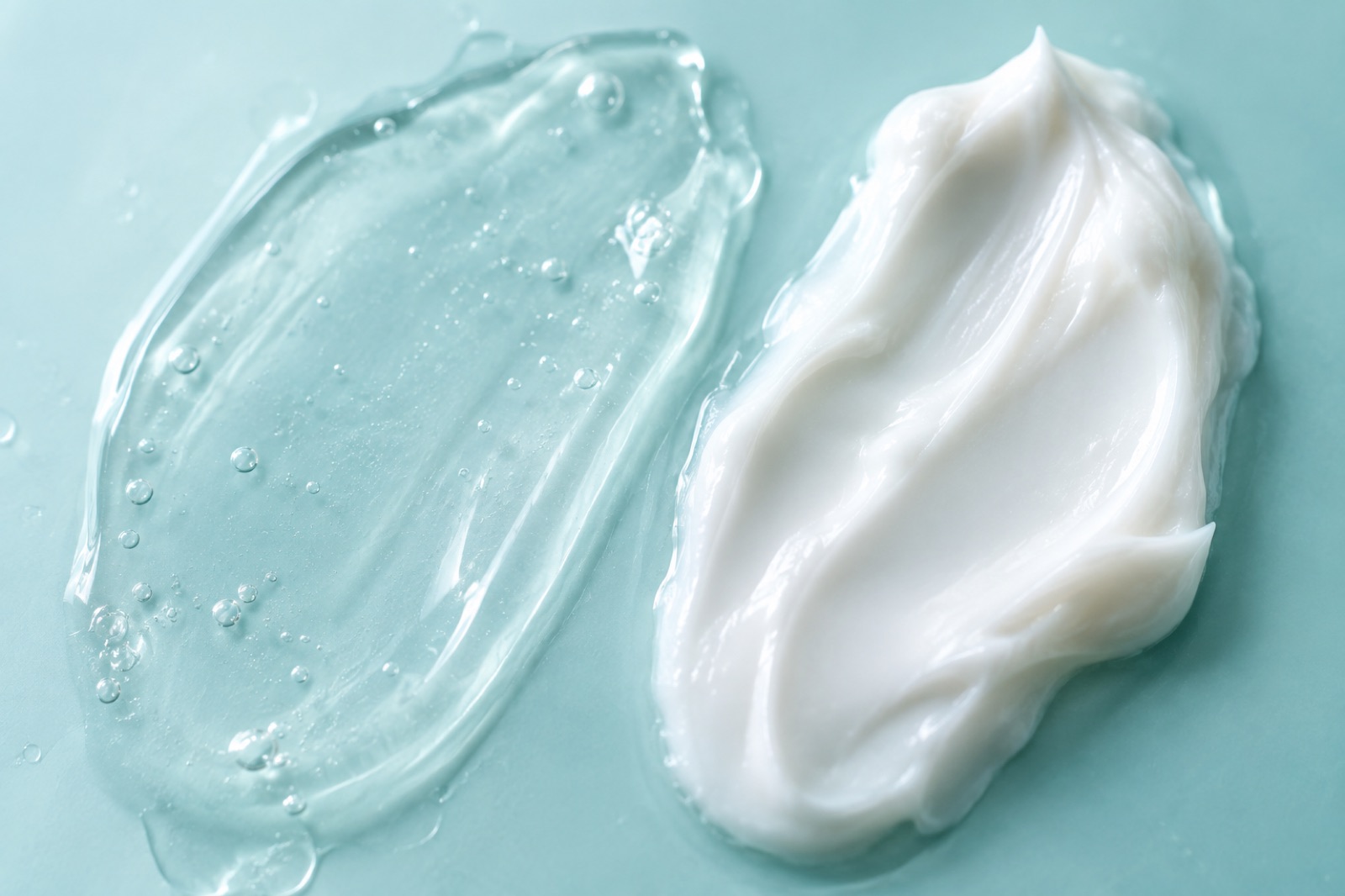
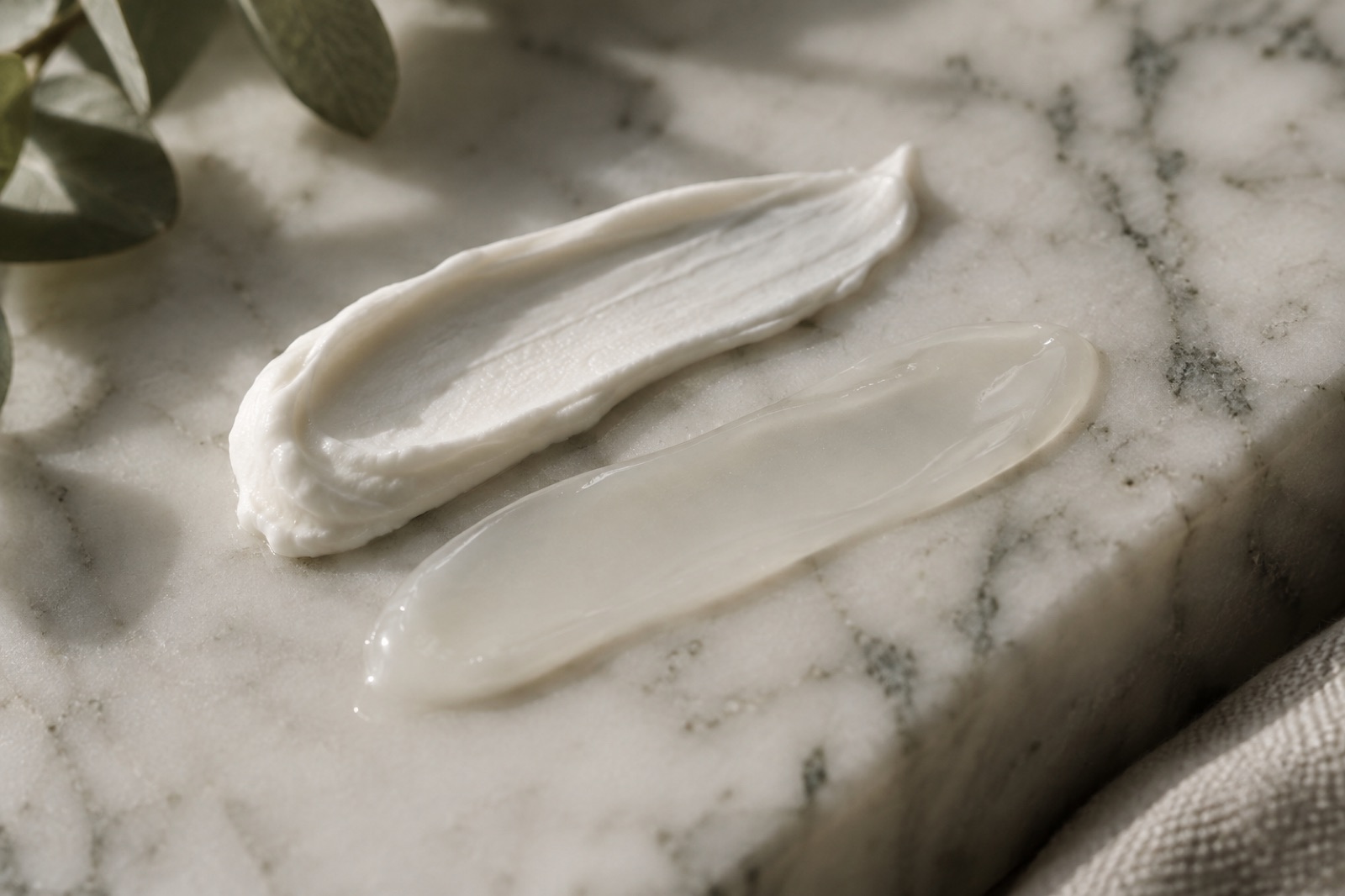
The difference comes from how they spread. Mineral sunscreens (titanium dioxide, zinc oxide) tend to leave a white cast, which makes people spread them thin, while chemical sunscreens go on clear, which makes the amount hard to judge. Either way, use “one more dab than usual” as your rule, and if the white cast makes you use less, it’s better to switch to one whose feel suits you.
Can you go outside right after putting on sunscreen?
The Korean Dermatological Association advises applying it 20–30 minutes before outdoor activity. Instead of putting it on at the front door right before school or work, apply it right after you finish washing and moisturizing, and the 20–30 minutes pass on their own while you get ready.
The sources here include no rule that sets a different wait time for mineral and chemical sunscreens. So the schedule keeps the same timing for both, and on a day you switch products, you write down both the time you applied it and the time you left.

Is a stick or spray enough for reapplying?
Reapplying with a stick alone can easily leave you short. In a 2015 study that measured how thickly 52 participants actually applied sunscreen, lotion came to 1.1, spray to 1.6, and stick to 0.35 mg/cm², all below the recommended 2 mg/cm², with the stick the thinnest.
In the same study, factors such as age and skin type also affected how thickly people applied it. If you use a stick, go back and forth over each area several times, and on days you sweat a lot, such as after a workout or gym class, reapply even if it isn’t time yet.
How do you reapply sunscreen over makeup?
In the morning, apply sunscreen on its own first and put makeup on top. Korea’s national health information portal, run by the Korea Disease Control and Prevention Agency (KDCA), notes that SPF is measured at 2 mg/cm² but people use far less when they put on makeup. It advises not relying on the SPF in makeup alone and applying sunscreen separately.
The same page also cites research showing you’d need to apply 10–14 times the amount of facial powder used in SPF testing to get the labeled number. We found no study comparing specific ways to reapply over makeup during the day, so rather than leaning on a cushion compact or powder, we suggest adding one more layer of sunscreen and logging its texture and the time.
Mineral, chemical, and hybrid sunscreen compared
| Criterion | Mineral | Chemical | Hybrid |
|---|---|---|---|
| How it works (as the KDCA explains) | Reflects and scatters UV | Absorbs UV | Combines both in one product |
| Typical ingredients | Titanium dioxide, zinc oxide | Oxybenzone, ethylhexyl methoxycinnamate (octinoxate in the US), and others | Both types together |
| When applying | White cast → easy to apply too thin | Clear → hard to judge the amount | Varies by product |
| Cautions noted by the KDCA | White cast | Eye stinging, irritation from heat, possible allergy or breakouts | Don’t mix two products yourself; use a finished product |
| Before going out · reapplying | 20–30 minutes before · every 2–3 hours | Same | Same |
In August 2026, Korea’s Ministry of Food and Drug Safety (MFDS) pre-announced a proposed amendment that would add international standard (ISO) in vitro test data as a basis for setting SPF and PA values (not yet final). SPF testing and labeling rules differ by country, and this change concerns products sold in Korea. Because the test methods behind labeled numbers may widen if it’s finalized, the comparison chart is based on amount and timing.
A day’s schedule for school, work, and workout days
| Time (example) | Student going to school | Office worker | Outdoor workout day |
|---|---|---|---|
| 7:30 a.m. | Sunscreen after washing and moisturizing | Sunscreen after washing and moisturizing → makeup | Sunscreen after washing and moisturizing |
| 8:00 a.m. | Leave (30 minutes after applying) | Leave | Leave |
| 10:30 a.m. | Reapply during a break | Can skip if you won’t go out for lunch (make a note) | Reapply once 2–3 hours have passed |
| 12:30 p.m. | Reapply after lunch before going out to the field | Reapply over makeup before going out for lunch | Reapply right after sweat or water |
| 3:00 p.m. | Reapply after gym class | Reapply before an outside meeting | Keep the 2–3 hour interval |
| Evening | Wash your face | First-step cleanser → second-step cleanser | If high SPF or water-resistant: first step → second step |
The Southeast Asian acne management guidelines (2015) also recommended a skin care routine made up of cleansing, moisturizing, and sunscreen. For the evening removal steps, continue with When to use a cleansing cream: a cleanser pairing chart by makeup level.
When is it time to see a dermatologist about a sunscreen reaction?
- If swelling, itching, or oozing starts where you applied sunscreen, stop using it and see a dermatologist.
- If eye stinging or redness lasts several days even after you stop the product you switched to, have it checked at a clinic.
- If you get blisters after only brief sun exposure, or an unusual rash keeps coming back, consider seeing a doctor.
Summary of the evidence here
- In a 2015 study that measured how thickly 52 participants actually applied sunscreen (PMID 25771707), lotion came to 1.1, spray to 1.6, and stick to 0.35 mg/cm², all below the recommended 2 mg/cm².
- The Korean Dermatological Association’s sunscreen page explains that people apply only 1/4 to 1/3 of the test amount, and it recommends applying 20–30 minutes before outdoor activity and reapplying every 2–3 hours.
- The KDCA’s page on safe cosmetic use for teens (checked in 2026) cites research that facial powder must be applied at 10–14 times the test amount to reach the labeled SPF, and advises applying sunscreen separately.
Frequently asked questions
How long should you wait before going outside after applying sunscreen?
The Korean Dermatological Association advises applying it 20–30 minutes before outdoor activity. On days you have to leave right away, move it earlier in your routine, putting it on right after washing and moisturizing instead of at the front door. Mineral and chemical sunscreens use the same timing.
Do you need sunscreen indoors?
The timing rules in the guidance used here (20–30 minutes before, every 2–3 hours) are based on outdoor activity, and we found no separate advice for days spent only indoors. There is also no evidence that applying it indoors causes problems, so on days you plan to go out, time it to when you leave and log whether any stinging or breakouts show up.
What order do you use to reapply sunscreen over makeup?
In the morning, apply sunscreen on its own first, then do your makeup. Korea's KDCA says the SPF in makeup products doesn't reach the labeled number because people use so little, so sunscreen should go on separately. The sources here include no study comparing ways to reapply during the day, so we suggest logging the texture and amount you use.
Sources
- Korean Dermatological Association — Sunscreens (Korean)Institutional
- Korea Disease Control and Prevention Agency (KDCA) National Health Information Portal — Safe cosmetic use for teens (Korean)Institutional
- Sunscreen application thickness and factors in preservative exposure, 52 people, 2015 (PMID 25771707)B
- Acne management guidelines for Southeast Asia, 2015 (PMID 26211507)A
- Korea's Ministry of Food and Drug Safety (MFDS) — Proposed amendment to the regulation on review of functional cosmetics, pre-announcement notice No. 2026-409 (Korean)Institutional
Videos and forum posts never count as evidence for a fact here. Full rules: Editorial policy