AHA BHA in Your First 2 Weeks: Day-by-Day Plan and Stop Signs
Start AHA or BHA on two evenings in week one, move to every other evening in week two, and stop right away if the stinging lingers.

What this note covers8 sections
- How many times a week should you start in the first two weeks?
- What’s the right way to use a BHA toner?
- Can you use retinol and AHA/BHA on the same day for closed comedones?
- Should dry or dehydrated oily skin skip exfoliating toners and essences?
- Why does sunscreen matter while you’re using acids?
- First two weeks: weekday frequency plan
- When should a dermatologist take a look?
- What the plan above is based on
| Item | Detail | Basis |
|---|---|---|
| When results show | 120 people who applied a 10% glycolic acid (pH 4) emulsion once each evening differed from placebo starting on day 45, with no difference in how often side effects occurred | 2011 PMID 21896132 · A |
| What shows within two weeks | In 37 people who used a 10% glycolic acid serum for two weeks, a skin-shedding marker changed by 45.52%, and redness and water-loss markers did not get worse | 2026 PMID 41987370 · A |
| Type of acid | In 11 people who applied four 8% AHA creams for four weeks, water loss after irritation was lower on the gluconolactone and tartaric acid sites than on the glycolic acid site | 1997 PMID 9470910 · A |
| When stacking products | In a 12-week trial of 49 people that added salicylic acid to prescription topicals, temporary dryness happened more often | 2012 PMID 22035285 · A |
| Signs to stop | Overdoing superficial peels with acids causes redness, dryness and flaking, so keep to proper spacing and strength | KDCA · institution |
How many times a week should you start in the first two weeks?
Twice a week in the evening for week one, then every other day in week two, is a reasonable pace. The Korea Disease Control and Prevention Agency (KDCA) notes that even superficial peels using low-strength glycolic or salicylic acid can cause redness, dryness and flaking if done too often, so the right spacing and strength matter.
These two weeks are not for judging results. They’re for seeing whether your skin tolerates the acid. In a 2011 randomized trial where 120 people with mild acne applied a 10% glycolic acid emulsion every evening for 90 days, the difference from placebo didn’t appear until day 45. That’s why you don’t rush to use it more often just because your tiny bumps look the same after two weeks.
What’s the right way to use a BHA toner?
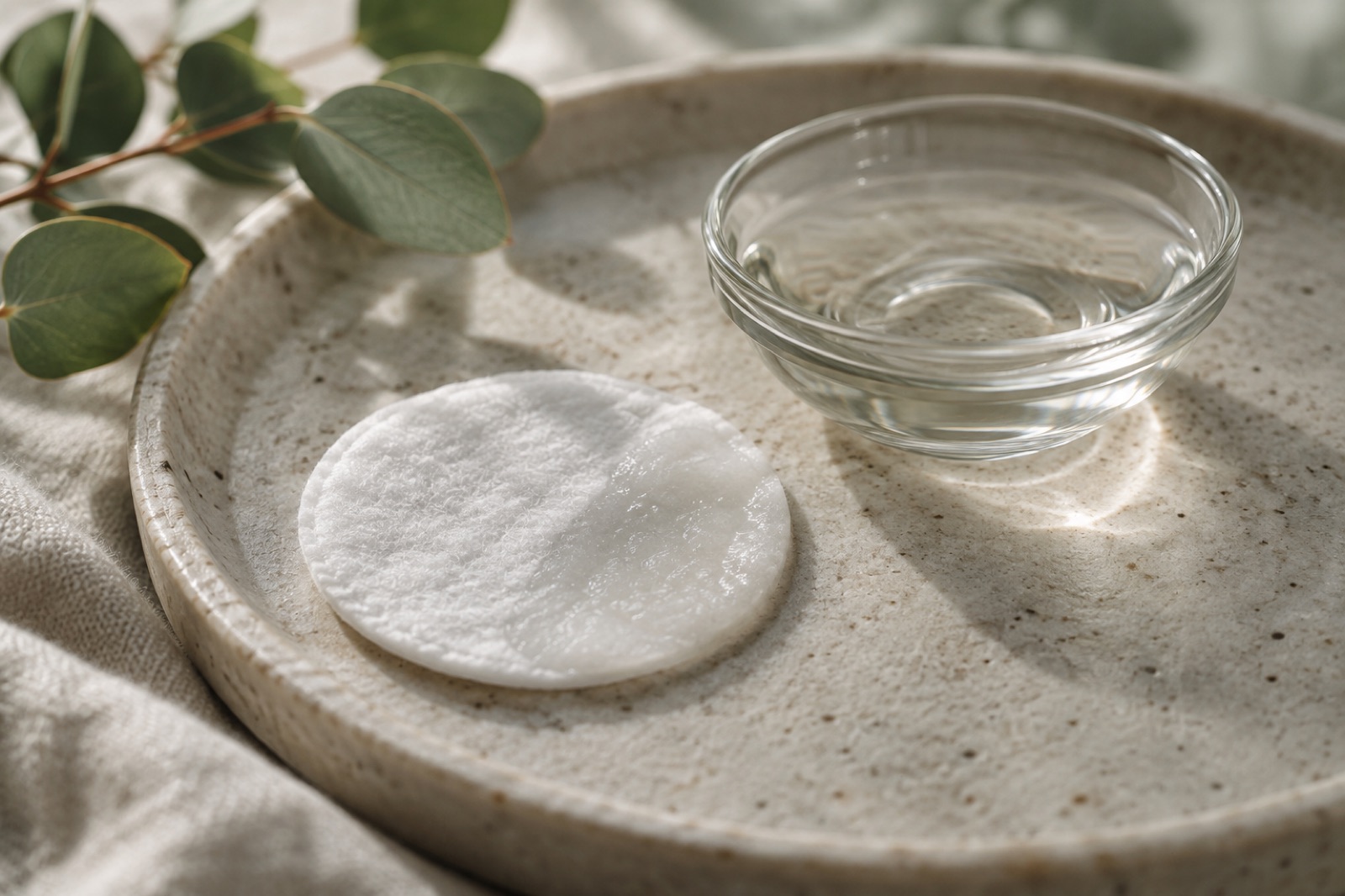
After washing in the evening, pat your face dry, apply one thin layer and finish with moisturizer. This article’s evidence includes no study comparing how often to use salicylic acid toners or serums, so start low, as in the weekday plan below, within the range the product’s directions allow. In the US, salicylic acid at 0.5–2% is regulated as an over-the-counter acne medicine, so follow the directions on that product’s drug label, and ask a pharmacist or doctor if you’re unsure.
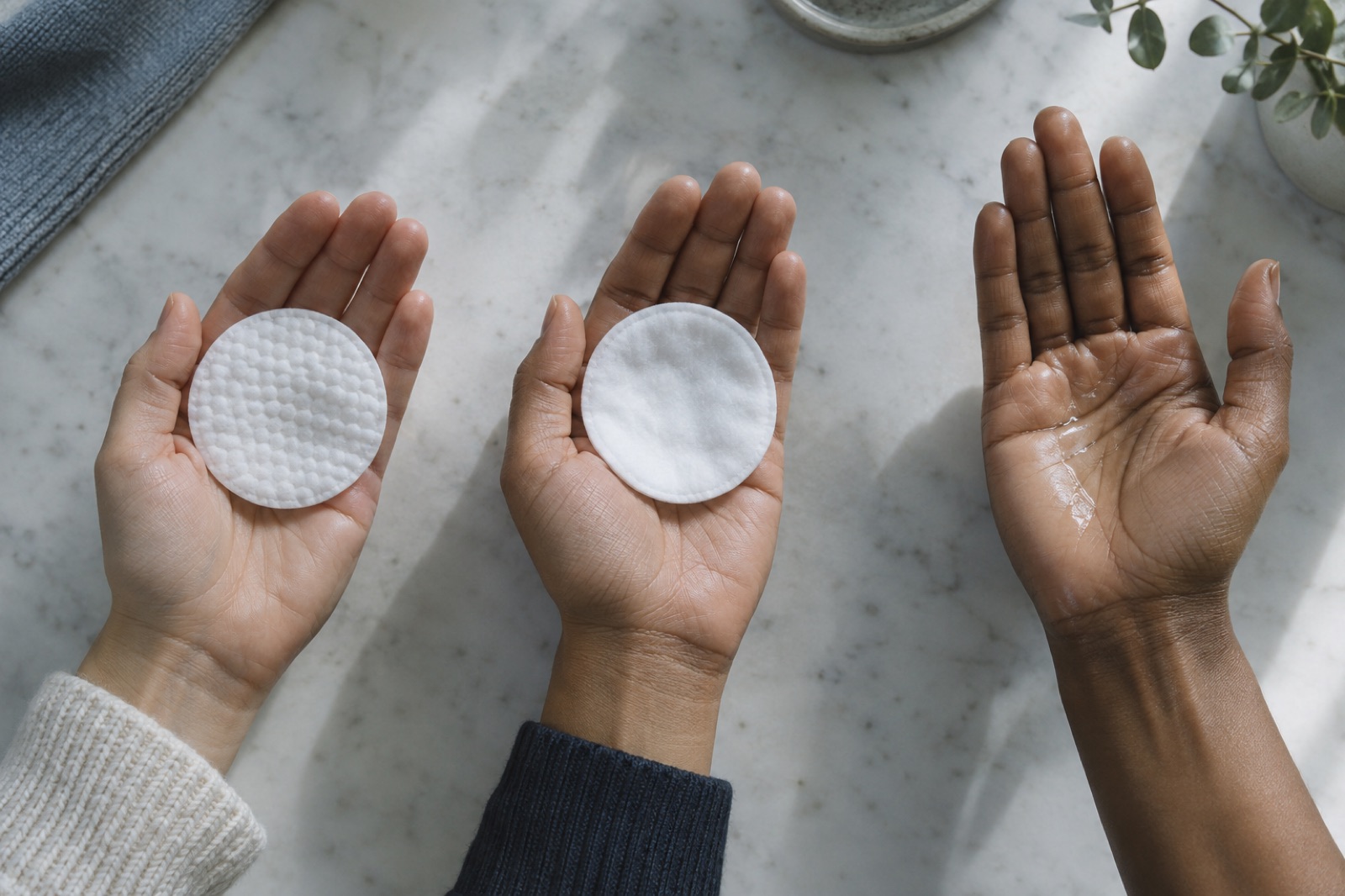
If you use a BHA toner on a cotton pad, adding a scrub or peel pad the same day piles friction on top of acid. For a student who washes up late after evening classes or a worker rushing through a routine after overtime, setting the acid days by weekday keeps things from getting confusing.
Can you use retinol and AHA/BHA on the same day for closed comedones?
For the first two weeks, it’s better not to stack them on the same day and to split them across different days. In a 2012 randomized trial, 49 people with mild to moderate acne used either two prescription topicals alone or the same two plus salicylic acid for 12 weeks. Temporary dryness happened significantly more often in the group with salicylic acid added, and skin surface hydration dropped in both groups.
This trial used a prescription drug combination, so it can’t be applied directly to cosmetic retinol. Still, the direction is the same: the more ingredients that act on the outer skin layer you stack, the more dryness can build. So keep retinol evenings and acid evenings on different days. If you already use a prescription retinoid, ask the clinic that prescribed it before adding an acid product.
Should dry or dehydrated oily skin skip exfoliating toners and essences?
You don’t have to avoid them entirely, but keep the frequency lower for longer and choose the type of acid. In a 1997 study, 11 healthy adults applied four 8% AHA creams to their arms twice a day for four weeks. After the skin was irritated, the gluconolactone (PHA) and tartaric acid sites lost less water than the glycolic acid site.
Even at the same acid strength, the feel can differ by formula. In a 2026 trial comparing 10% glycolic acid as a toner, a cream and a biphasic serum in 37 people over two weeks, questionnaire scores differed by formula, and redness and water-loss markers did not get worse with the serum. If you’re in a setting where tightness hits first, like winter or a heavily heated office, stay at the week-one pace (twice a week) for one more week.
Why does sunscreen matter while you’re using acids?
Because sun care is a basic condition whenever you use ingredients that loosen dead skin cells. The Korean Dermatological Association says sunscreen is a must after an in-clinic chemical peel and that skin moisture must be maintained, and explains that light peels are weak and need to be repeated.

Low-strength products you use at home are far milder than an in-clinic peel, but on days with gym class or weekend outdoor plans, you can ease the load by adjusting the plan, for example skipping the acid the evening before.
First two weeks: weekday frequency plan
| Week | Mon | Tue | Wed | Thu | Fri | Sat | Sun | Goal this week |
|---|---|---|---|---|---|---|---|---|
| Week 1 | Acid (evening) | Moisturize only | Moisturize only | Acid (evening) | Moisturize only | Moisturize only | Moisturize only | Twice a week, log any stinging the next day |
| Week 2 | Acid (evening) | Rest | Acid (evening) | Rest | Acid (evening) | Rest | Acid (evening) | Every other day, only if week one went fine |
| Every morning | Sunscreen | Sunscreen | Sunscreen | Sunscreen | Sunscreen | Sunscreen | Sunscreen | Mark days you missed |
| Don’t stack | No retinol, scrubs, peel pads or other acid products on acid evenings | Retinol only on rest evenings |
Write the signs to stop right away next to the table, too.
- Stinging after you apply it lasts until the next morning
- Your cheeks or the area around your mouth turn red, or skin flakes white and peels
- Your face burns when only water touches it while washing
If any one of these happens, stop the acid product and just moisturize. Once your skin calms down, start again at the week-one pace.
When should a dermatologist take a look?
- If redness and burning haven’t calmed down a week after you stopped the acid and switched to moisturizer only, see a dermatologist.
- If the area where you applied it swells or oozes, stop using it that day and have a dermatologist check it.
- If deep acne that hurts when pressed keeps appearing or leaving marks, a dermatology consultation comes before using more acid products.
- If you’re using a prescription retinoid or other acne medicine, talk with the clinic that prescribed it before adding an acid product.
What the plan above is based on
- In a 2011 randomized trial following 120 people with mild acne for 90 days (PMID 21896132), a 10% glycolic acid emulsion differed from placebo starting on day 45, and side-effect rates were similar.
- In a 12-week randomized trial of 49 people that added salicylic acid to prescription topicals (2012, PMID 22035285), temporary dryness happened significantly more often in the group with it added.
- In a 1997 study of 11 healthy adults (PMID 9470910), water loss after irritation was lower on the gluconolactone and tartaric acid sites than on the glycolic acid site.
Frequently asked questions
How do you use a BHA toner?
After washing in the evening, pat your face dry and apply one thin layer with a cotton pad or your hands. For the first two weeks, go slowly from twice a week to every other day. The Korea Disease Control and Prevention Agency (KDCA) notes that even superficial peels with low-strength salicylic or glycolic acid can cause redness, dryness and flaking if done too often, so the right spacing and strength matter. While you're using it, wear sunscreen in the morning.
Can I use retinol and AHA/BHA together on closed comedones?
For the first two weeks, it's safer not to stack them on the same day and to use them on different days. In a 12-week trial of 49 people (2012) that added salicylic acid to prescription acne creams, temporary dryness happened more often in the group with salicylic acid. If you already use retinol, put the acid product only on evenings when you skip retinol, and log whether it stings before you count bumps.
Should dry or dehydrated skin avoid exfoliating toners and essences?
You don't have to avoid them, but use them less often and look at which acid it is. In a 1997 study where 11 healthy adults applied four 8% AHA creams for four weeks, water loss after irritation was lower on the gluconolactone (PHA) and tartaric acid sites than on the glycolic acid site. If your skin tends to feel tight first, stay at twice a week longer and moisturize more generously.
Sources
- 90-day randomized trial of 10% glycolic acid emulsion for mild acne, 120 participants, 2011 (PMID 21896132)A
- Two-week trial of a lecithin and glycolic acid biphasic serum, 37 participants, 2026 (PMID 41987370)A
- Four AHAs and stratum corneum barrier function, 11 participants, 1997 (PMID 9470910)A
- 12-week randomized comparison adding salicylic acid to prescription topicals, 49 participants, 2012 (PMID 22035285)A
- Korea Disease Control and Prevention Agency (KDCA) National Health Information Portal — Acne (Korean)Institutional
- Korean Dermatological Association — Chemical peeling (Korean)Institutional
Videos and forum posts never count as evidence for a fact here. Full rules: Editorial policy