Closed Comedones Routine: Fewer Steps, Then Watch for 4 Weeks
When closed comedones multiply, cut what you apply to 3 steps or fewer, bring in only one new product every 4 weeks, and count the bumps each week so you can see what changes.
What this note covers7 sections
| Item | Detail | Basis |
|---|---|---|
| What stage they are | Closed comedones are small skin-colored bumps with no opening, the stage before red, pus-filled lesions | Korean Dermatological Association · society |
| How to cut back | If you suspect irritation from cosmetics, stop everything, use just one cleanser and one moisturizer, and once it improves, add one product back every 1 to 2 weeks | Korean Dermatological Association · society |
| Common culprit products | In an analysis of 75 people with cosmetic allergies, 52.3% of culprit products were skin care such as moisturizing and cleansing creams | 1987 PMID 3652687 · B |
| How long to watch | A peel study of 20 people with comedonal acne measured non-inflamed lesions at 14 weeks (day 98) | 2011 PMID 21896127 · A |
| What to stop | Overusing exfoliating products can make things worse through physical irritation | Korean Dermatological Association · society |
Why do tiny white bumps show up?
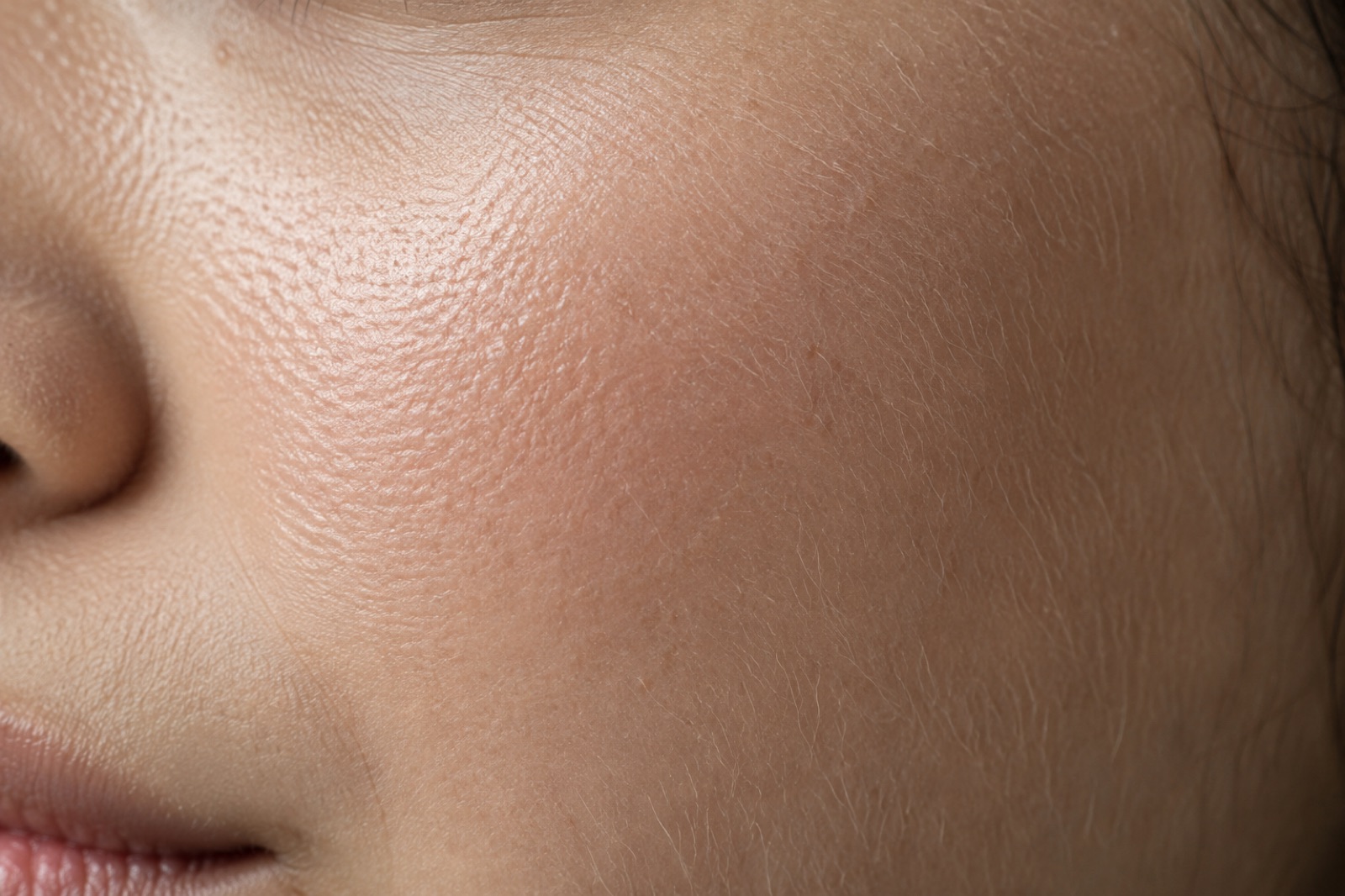
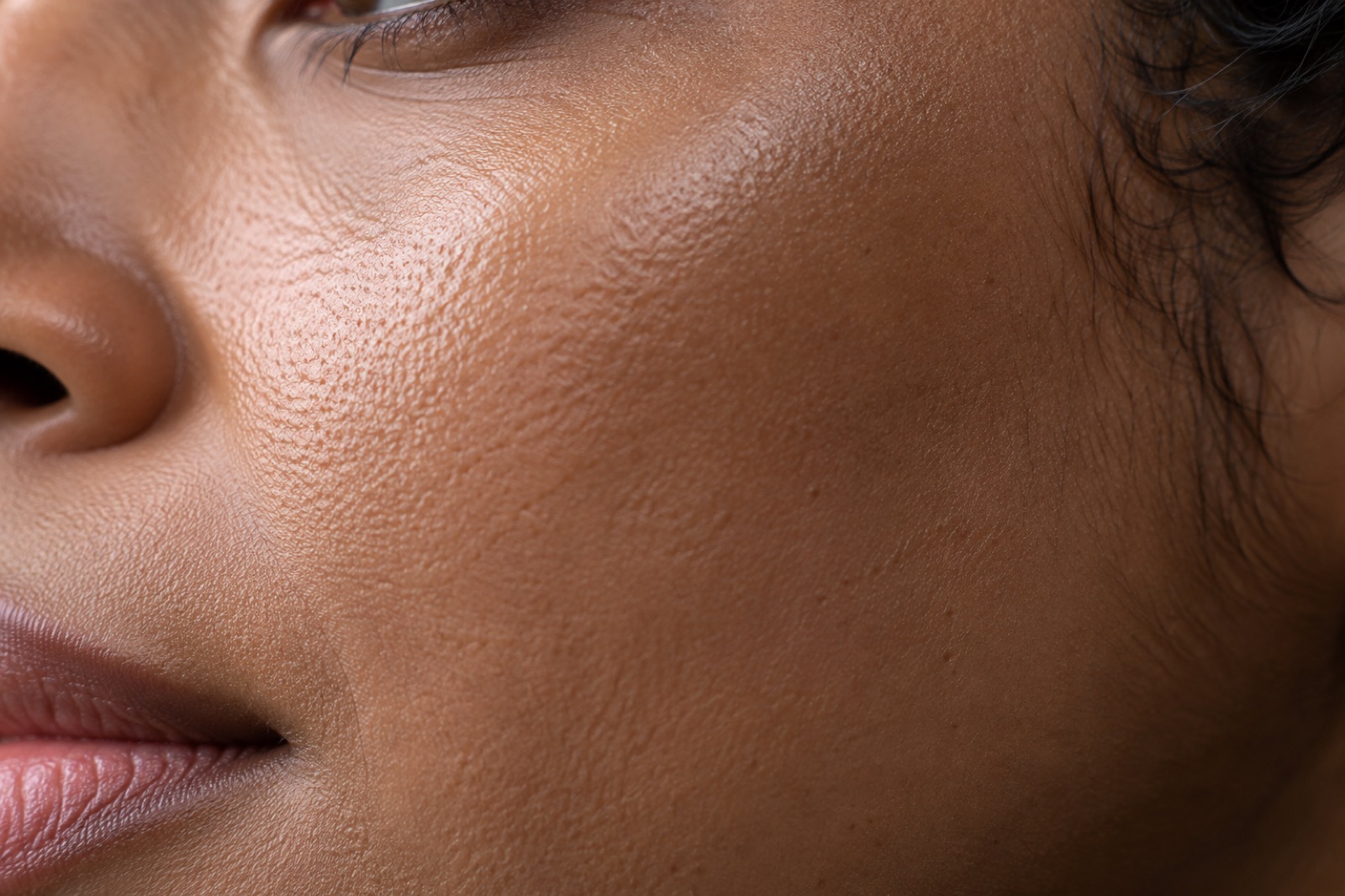
When closed comedones — pores clogged with the opening shut — build up, they look like tiny white grains. The Korean Dermatological Association describes closed comedones as small skin-colored bumps with no visible opening and considers them clinically important because they come before red, pus-filled inflamed lesions.
These bumps start before you can see them. A 1998 study lifted off the surface of hair follicles and measured the size of “microcomedones” with digital imaging; the fact that this kind of measurement exists at all tells you there’s a stage invisible from the outside. So rather than relaxing because the count held steady three or four days after starting a new product, or blaming it right away, count over a span of weeks.
How many products should you cut down to?
This guide sets the line at 3 steps or fewer: a cleanser and a moisturizer, plus sunscreen during the day if you need it. That’s because the Korean Dermatological Association advises that when you suspect a cosmetic problem, you stop everything, use only one mild cleanser and one moisturizer, add things back one at a time, and stick to a minimum of products even after it improves.
There’s an older number worth knowing too. A 1987 study looked at 75 people whose contact allergy came from cosmetics, out of 1,781 people patch tested from 1981 to 1986. It found 52.3% of the culprit products were skin care such as moisturizing or cleansing creams and lotions, and fragrance was the most common culprit ingredient at 45.1%. Allergies and closed comedones are different problems, but either way, the more products you use, the more suspects your log has to rule out.
If you moisturized more and got more bumps, what do you roll back first?
If the bumps increased after you started layering several creams, remove the most recently added one first, one layer at a time, and count for 4 weeks. The sources behind this guide include no study that directly measured how the amount of moisturizer relates to the number of bumps, so rather than naming a cause, you confirm it through a log of what you roll back.
If you picked up a habit of layering on this and that during a week of exams or late nights at work, flag that week in the notes column. Even for skin that feels tight — dry, or oily but dehydrated (what Koreans call “subuji”) — adjusting the amount of one moisturizer is easier to compare than adding more products. Korea’s KDCA also recommends low-irritation, non-comedogenic cosmetics for acne-prone skin.
When and how do you add new products back, one at a time?
If the count didn’t rise over 4 weeks on the cut-back routine, add one new product and count again for the next 4 weeks. The 1-to-2-week spacing in the association’s advice is the minimum for spotting irritation like stinging; because bump counts change slowly, this guide uses 4 weeks as one block.
There is evidence that change is slow. In a 2011 randomized trial, 20 people with comedonal acne had 6 in-office dermatology peels, 2 weeks apart. By day 98, non-inflamed lesions had dropped 48.5% to 55.6% from baseline, but there was no clear difference in the number of red, inflamed lesions. That result comes from 14 weeks of an in-office procedure, so it can’t be equated with using cosmetics; take from it only that changes in these bumps are measured in months. Adding scrubs or peel pads to speed things up can backfire through irritation, as the association explains. If red, pus-filled bumps are mixed in, follow the separate steps in what to do in the first three days of a pus-filled pimple.
8-week bump count log
| Week | Products in use (number of steps) | Newly added | Forehead | Cheeks | Chin | Turned red | Notes |
|---|---|---|---|---|---|---|---|
| Week 0 (start) | e.g., cleanser, moisturizer, sunscreen (3) | None | 12 | 8 | 5 | 1 | Dropped 2 extra creams |
| Week 1 | None | ||||||
| Week 2 | None | Exam week or late nights? | |||||
| Week 4 | None | If no rise, move to the next stage | |||||
| Week 5 | 1 new product (name, start date) | Any stinging or redness | |||||
| Week 8 | Keep / take it out again |
Count the bumps by eye only; don’t run your fingers over them. Stick with the areas you picked at the start, such as the center of the forehead, one cheek and the tip of the chin.

When should a dermatologist see your closed comedones?
- If the count stays the same or rises after 6 to 8 weeks on a 3-step routine, see a dermatologist. Korea’s KDCA uses no improvement after 6 to 8 weeks of steady care under a doctor as the point to change the approach.
- If red, swollen or pus-filled bumps start to increase among the tiny ones, don’t squeeze them; consider seeing a dermatologist.
- If stinging, redness or itching starts after a new product, stop it right away, and have a dermatologist check it if it hasn’t settled after 1 to 2 weeks.
- If the bumps came up on an area where you had a procedure, talk to the clinic that did it first.
Sources in brief
- In a 1987 analysis of 75 people with cosmetic allergies (PMID 3652687), 52.3% of culprit products were skin care, and fragrance was the most common culprit ingredient at 45.1%.
- In a 2011 randomized trial of 20 people with comedonal acne (PMID 21896127), non-inflamed lesions fell 48.5% to 55.6% after 14 weeks of in-office peels, but inflamed lesions showed no clear change.
- The Korean Dermatological Association advises that if you suspect a cosmetic problem, cut back to one cleanser and one moisturizer, add one product back every 1 to 2 weeks, and keep to the minimum even after it improves.
Frequently asked questions
How do you keep new closed comedones from forming?
The sources behind this guide include no study comparing ways to stop new bumps, so the focus is on cutting the conditions that let them multiply. The Korean Dermatological Association advises that if you suspect a cosmetic problem, use just one mild cleanser and one moisturizer, add things back one at a time, and keep to the minimum even after it improves. It also notes that overusing exfoliating products can make things worse, so stop scrubs and count in 4-week blocks.
Why did closed comedones pop up after I piled on aftercare cream and moisturizer following a procedure?
The sources behind this guide include no study that directly measured how the amount of cream relates to the number of bumps. But when you layer many products at once, you can't tell which one is the problem, so, as the Korean Dermatological Association advises, cut back to one cleanser and one moisturizer and then add things back one at a time. If it's a treated area, ask the clinic that did the procedure first.
If my skin is dry or dehydrated but oily, should I moisturize more when I get closed comedones?
If your skin feels tight, keep moisturizing, but getting the amount right with one moisturizer is easier to track than adding products or reapplying more often. Korea's KDCA recommends low-irritation, non-comedogenic cosmetics for acne-prone skin. For 4 weeks, write down the bump count and how tight your skin feels.
Sources
- Korean Dermatological Association — Acne vulgaris (Korean)Institutional
- Korean Dermatological Association — Cosmetics overview and adverse reactions (Korean)Institutional
- Korea Disease Control and Prevention Agency (KDCA) National Health Information Portal — Acne (Korean)Institutional
- Causative ingredients of cosmetic contact allergy, analysis of 75 patients, 1987 (PMID 3652687)B
- Randomized trial of lipohydroxy acid peels vs. salicylic acid peels in comedonal acne, 20 patients, 2011 (PMID 21896127)A
- Effect of topical linoleic acid on acne microcomedones, digital image analysis, 1998 (PMID 9692305)A
Videos and forum posts never count as evidence for a fact here. Full rules: Editorial policy
What to check when choosing a product for this routine
Check the criteria below before the product name. Each item can be found on the full ingredient list or in the product description.
| Item | What to look for | Why |
|---|---|---|
| Fragrance on the label | Check whether fragrance is in the full ingredient list and, if so, where it is listed | In a 1987 analysis of cosmetic allergies, fragrance was the most common culprit ingredient at 45.1%, so this takes one variable out of your 4-week log |
| Comedogenicity testing | Whether the brand says how its non-comedogenic claim was tested | A label phrase alone is hard to compare, while stated test conditions give you a fact you can check |
| pH on the label | Whether a weakly acidic range is given as a number (for example, 5.5–6.5) | It's the first step after washing, so it gives you a concrete item to write down in your log |
| Size and step | For the one new product you add in week 5: whether it can replace an existing step instead of adding one, and whether it lasts 4 weeks | Your 4-week count only holds up if the number of products doesn't grow and you don't switch partway through |
Product from this site's operator · KW Cosmetic Content Team
Revive Therapy N.F TonerCosmetics do not replace the diagnosis or treatment of a skin condition.